
The Barrett Blog
The latest news, trends, and insights in supply chain logistics from Barrett's own team of subject matter experts.
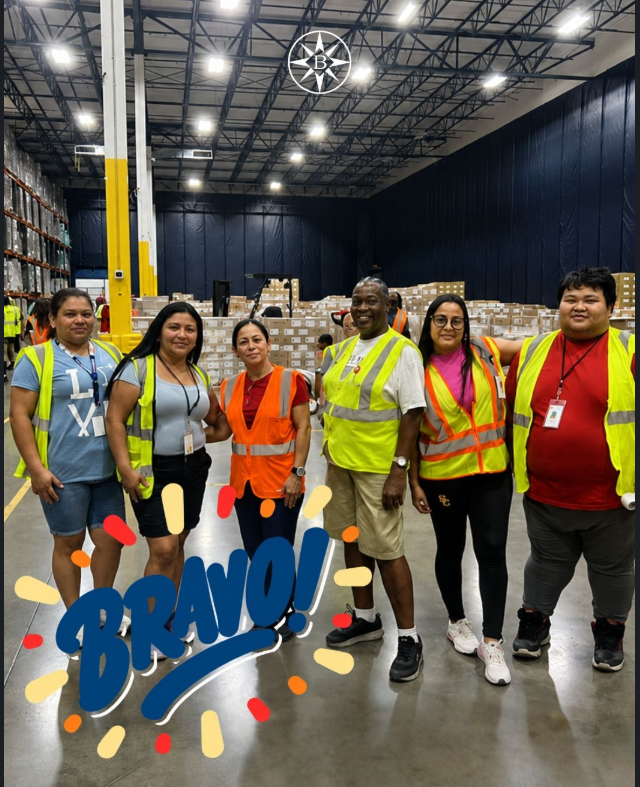
It's often the smallest moments that leave the biggest impression. Not the major milestones or company-wide announcements, but the everyday acts of teamwork that happen without expectation of recognition. A teammate stepping in to help. Someone taking ownership of a challenge before it affects anyone else. An employee going out of their way to support a coworker simply because they know it's needed. These moments rarely come with applause, yet they shape the culture of a workplace in ways that are impossible to measure. They create trust, strengthen relationships, and remind us that behind every successful operation are people who care about the work they do—and about each other. The Moments That Matter Most Are Often the Ones No One Sees Recognition has a way of changing how people feel about the work they do—not because they're looking for praise, but because everyone wants to know their efforts make a difference. In fast-paced environments like logistics, it's easy to move from one task to the next without pausing to acknowledge the people making those tasks possible. The work doesn't stop, deadlines don't wait, and there's always another order to fulfill. Yet it's often in the middle of that fast pace that the strongest examples of teamwork emerge. A coworker notices a potential issue before it reaches a customer. Someone steps in to help a teammate who's fallen behind. An employee takes ownership of a challenge without being asked because they know the success of the team depends on everyone pulling together. None of those moments may seem extraordinary on their own, but together they create something much bigger. They build trust between teammates, reinforce a culture of collaboration, and remind people that their contributions—no matter how big or small—have an impact. Those are the moments that shape an organization long after the workday is over, and they're exactly the kind of moments that deserve to be recognized. A Strong Culture Is Built One Moment at a Time Culture is often described as something organizations create, but in reality, it's something people build together every day. It's reflected in the way teammates support one another, the pride they take in their work, and the willingness to step in when someone needs help. Those interactions may seem ordinary in the moment, but over time they become the foundation of a workplace where people feel respected, valued, and connected to a shared purpose. Creating that kind of environment doesn't always require sweeping initiatives or formal recognition ceremonies. More often, it's the simple gestures that leave the greatest impression—a genuine thank you after a challenging day, a manager taking the time to recognize someone's effort, or a coworker acknowledging a job well done. Those moments remind people that their work is seen, their contributions matter, and the effort they put in each day has an impact beyond the task in front of them. Recognition has a way of creating momentum. When appreciation becomes part of the culture, people are more likely to encourage one another, celebrate each other's successes, and look for opportunities to lift those around them. Over time, that spirit of collaboration becomes contagious, strengthening not only individual teams but the organization as a whole. Creating a Culture Where Appreciation Is Part of the Everyday Earlier this year, Barrett introduced BRAVO, an employee recognition program built around a simple idea: appreciation shouldn't be reserved for annual reviews or major milestones. The program encourages teammates to recognize one another in real time for demonstrating Barrett's core values, stepping up to help others, solving problems, or simply making a positive impact on the people around them. While BRAVO is represented by a recognition card, it's really about something much bigger. It's about creating an environment where people notice the good happening around them and take the time to acknowledge it. Because when appreciation becomes part of the culture, recognition stops feeling like an event and starts becoming a habit. Why It Matters Beyond Our Walls Employee recognition is often viewed as an internal initiative, but its impact extends far beyond the people receiving the recognition. The way employees feel about their workplace inevitably influences the way they approach their work, their teammates, and ultimately the customers they serve. When people feel appreciated, they're more likely to take ownership of the details that matter. They communicate openly, collaborate naturally, and step in when challenges arise because they know they're part of something bigger than themselves. That sense of pride can't be manufactured—it's cultivated over time through a culture where people feel seen, respected, and empowered to make a difference. For our customers, those moments may never be visible, but their impact certainly is. It's reflected in the care that goes into preparing every order, the commitment to getting things right, and the teamwork that happens behind the scenes to deliver the level of service our customers have come to expect. At Barrett, we believe exceptional customer experiences begin long before a package leaves the warehouse. They begin with people who care about the work they do, the teammates they work alongside, and the customers who depend on them. That's why recognizing those everyday contributions isn't just about celebrating our employees—it's about reinforcing the culture that helps us serve our customers better every single day. Celebrating the People Behind Every Success 锘� As I thought about what BRAVO represents, I realized it's about much more than recognition. It's about paying attention. It's about noticing the teammate who stayed late to lend a hand, the employee who found a better way to do something, or the person who made someone else's day just a little easier. Those moments may seem ordinary in the moment, but over time they become the foundation of something much bigger. They become culture. At Barrett, BRAVO is one way we celebrate those everyday moments and the people behind them. Because while logistics is built on systems, strategy, and operational excellence, it's people who bring those things to life. And that's always worth recognizing.
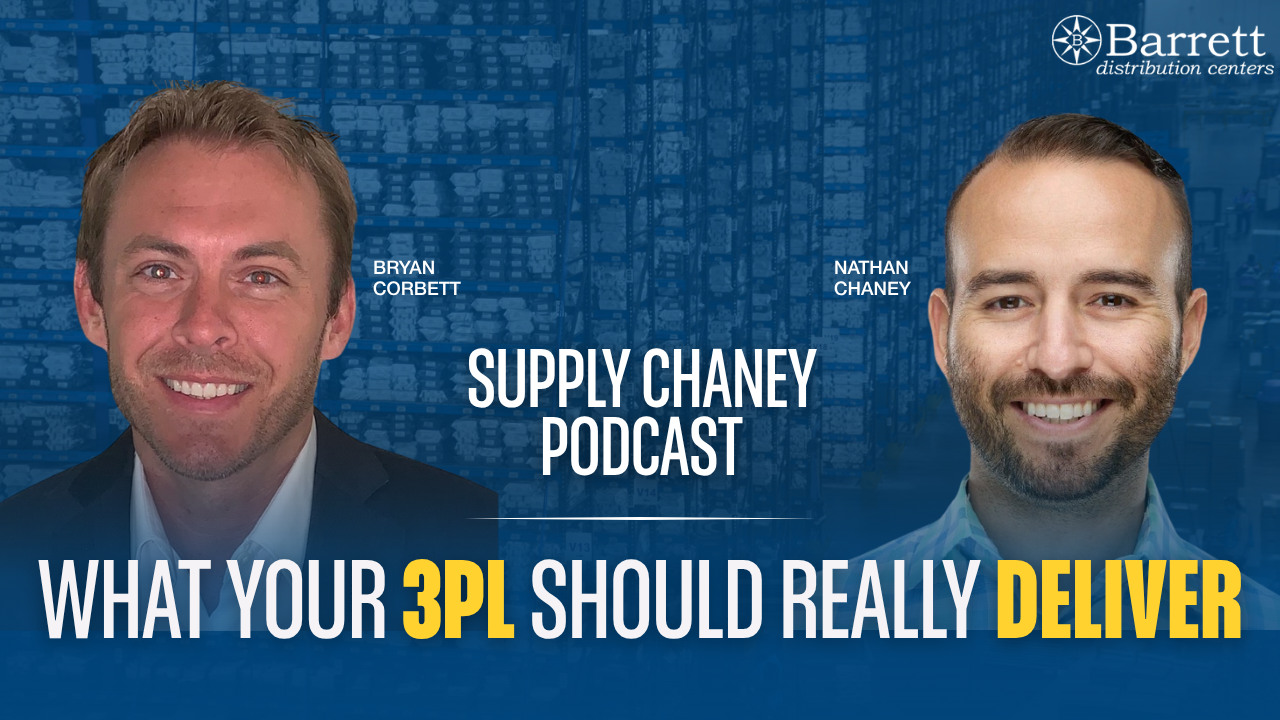
Spend enough time inside a warehouse and you quickly learn that no two businesses move quite the same way. Products are different, customers are different, expectations are different, and even two brands selling similar items can require completely different approaches once their products reach the warehouse. That reality came through clearly when Bryan Corbett , Vice President of Sales and Marketing at Barrett Distribution Centers, sat down with Nathan Chaney of the Supply Chaney Podcast inside Barrett's facility in Forney, Texas. Bryan has spent 25 years in supply chain, but his perspective is shaped by something more personal than years in the industry. Long before joining Barrett, he was running his own warehouses, unloading trucks, creating barcodes, managing inventory, and figuring out how to get products to customers while building his own businesses. Today, that experience influences the way he thinks about what companies actually need from a 3PL. And throughout the conversation, one idea continued to surface: the best partnerships happen when you understand what a business is trying to become, not simply what it needs today. Knowing Who You Are Matters There is a certain confidence that comes from knowing what you do well and not trying to be everything to everyone. For Barrett, that means understanding the kinds of businesses where its experience can make the greatest difference. Bryan described Barrett as a third generation, family owned 3PL with decades of experience and a network spanning key markets across the United States. But the more interesting part of the conversation was not the size of the network. It was what happens inside it. Barrett works with businesses at different stages of their journey, including established companies and growing brands that have reached a point where what worked before may no longer be enough. Bryan described Barrett as a "level up partner," a phrase that came from the way customers themselves have described the relationship. That transition can happen for many reasons. A brand may be entering retail for the first time, managing more products, expanding across the country, or simply realizing that its current setup cannot comfortably support where the business is headed. Whatever brings a company to that point, growth tends to introduce new questions. Barrett's role is to help customers work through those questions without losing sight of what made their brand successful in the first place. Not Every Customer Needs the Same Answer Walk through Barrett's Texas facility and the idea of customization becomes much easier to understand. As Bryan pointed out during the conversation, multiple customers can operate under the same roof while using distinctly different setups because their businesses require different things. That willingness to adapt is especially important for brands with requirements that fall outside a standard pick, pack, and ship model. Some customers need specialized kitting. Others have unique retail requirements, personalized orders, or packaging that needs to feel unmistakably theirs. Bryan shared one example involving a customer preparing for a runway event in Miami. Barrett's team assembled roughly 400 kits containing approximately 70 individual items each in only a few days. It is the kind of project that does not fit neatly into a standard process, and that is exactly the point. As Bryan explained, Barrett is willing to embrace the work that can be difficult to standardize. That flexibility gives brands room to remain themselves as they grow. They should not have to strip away the details that make their customer experience special simply because their business has become larger. Experience Still Counts Technology has changed warehouses dramatically, and it will continue to do so. Bryan and Nathan talked about robotics, warehouse software, automation, and the constant stream of new tools entering the industry. But Bryan offered a perspective that is easy to lose in the excitement surrounding new technology. New does not automatically mean better. Barrett evaluates technology based on whether it genuinely improves the work being done rather than adopting something simply because it is the newest option available. Some customer environments benefit from robotics. Others are better served by a more hands on approach. The answer depends on the work, the products, and the people involved. Bryan summed up that philosophy through an observation that has stuck with him: “It turns out humans are pretty good at things.” It is a simple statement, but there is a lot behind it. Technology can make people faster, provide better information, and take repetitive work off their plates. What it cannot replace is the judgment that comes from experience. Barrett has team members who have spent 15 or 20 years with the company. That history matters because when something unusual happens, there is value in having people around who have seen difficult situations before and know how to respond. A Partnership Should Feel Personal Perhaps the most human part of Bryan's conversation had very little to do with warehouses at all. Choosing a 3PL requires an enormous amount of trust. A company is handing over products it has spent years developing and a portion of the experience it has promised its customers. For larger businesses, that decision can affect a significant part of the company. Bryan does not take that lightly. “I don't hand off. I'm friends with my clients. Not just friends with them, I want them to succeed.” That line says a lot about how Barrett views partnership. Winning someone's business is only the beginning. The real work comes afterward, when plans change, challenges appear, opportunities arise, and both teams have to figure out what comes next. It also explains why Barrett talks so openly about the brands it serves. Celebrating a customer's growth, sharing their products, or helping introduce their story to a larger audience may not appear in a traditional description of what a 3PL does, but it reflects something deeper about the relationship. When customers succeed, Barrett succeeds with them. Built for What Comes Next Toward the end of the conversation, Bryan made a statement that captures the heart of Barrett's approach: “We only grow when other companies grow with us.” There is something refreshingly simple about that idea. A lasting 3PL relationship should never feel like two companies moving in separate directions. As a customer's business changes, the conversations change with it. New channels emerge, order volumes increase, products evolve, and opportunities appear that may not have existed when the partnership began. Barrett's job is not to make every customer fit the same mold. It is to understand what makes each business different and bring the experience, people, space, and technology needed to help that business move forward. After more than 80 years in business, Barrett has seen plenty change. Technology will continue to advance, customer expectations will continue to rise, and the way products move will undoubtedly look different in another decade. What remains remarkably consistent is the value of having experienced people who care about the outcome. Because at the end of the day, a warehouse is only part of what a company is choosing when it selects a 3PL. It is choosing the people who will stand behind its products, solve problems when they arise, protect the details its customers care about, and hopefully still be there as the business enters its next chapter. For Barrett, that is what partnership is meant to look like.
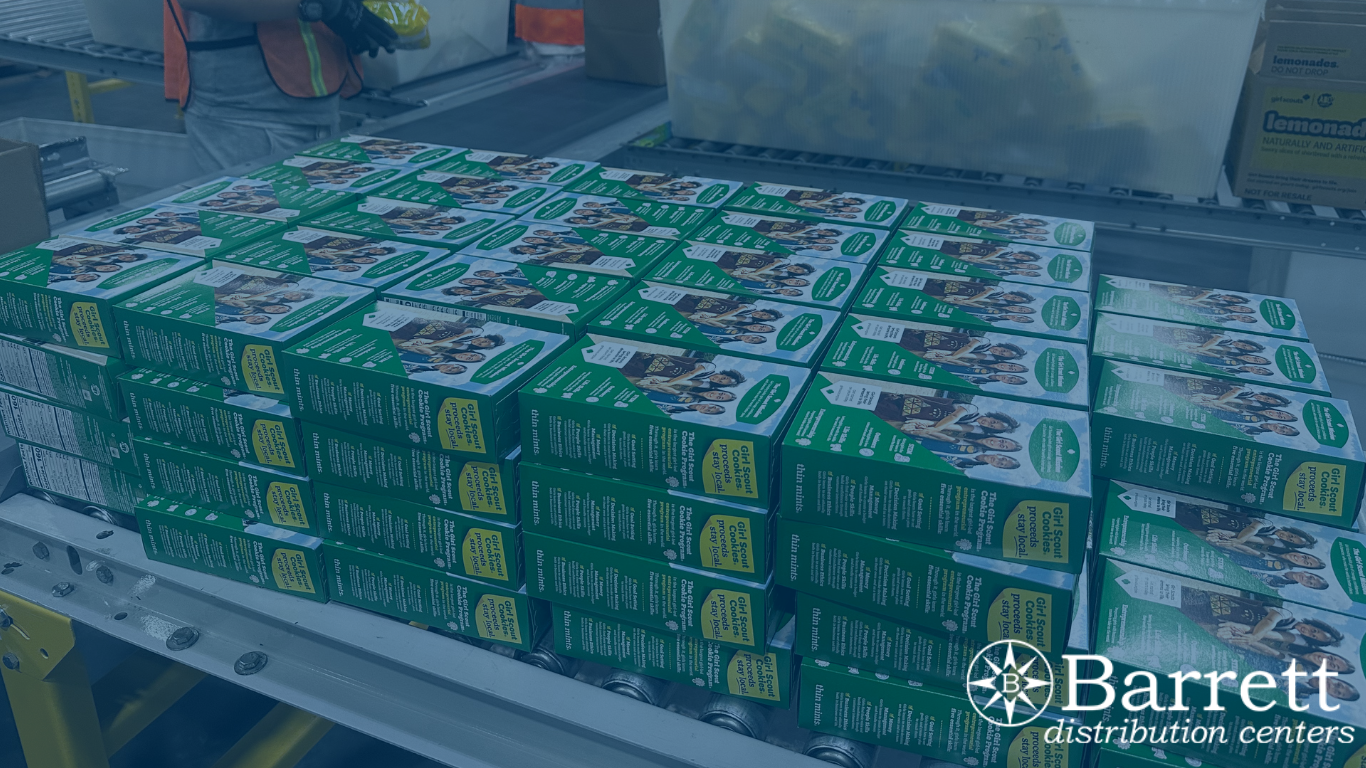
For millions of people, Girl Scout Cookie season means one thing: stocking up on your favorites before they're gone. For the Barrett team? It means peak season in full swing. Behind every box of Thin Mints, Samoas, Adventurefuls, and Tagalongs is a carefully coordinated logistics operation that ensures cookies arrive where they need to be—accurately, on time, and ready to delight customers across the country. It's More Than Cookies Girl Scout Cookie season is one of the most recognizable seasonal programs in the country, but it's also one of the most demanding from a logistics perspective. High order volumes. Tight timelines. Thousands of shipments. Every order matters. That's where Barrett comes in. This season, our team fulfilled more than 416,000 orders and shipped over 2.6 million units , helping keep one of America's favorite traditions running smoothly. That's a lot of cookies...and an even bigger team effort.
Companies choose warehouses near ports to reduce transportation costs, speed up inventory movement, improve supply chain efficiency, and simplify the import process. By storing goods closer to where they enter the country, businesses can move products into inventory faster while supporting efficient distribution to customers and retail partners. Key Takeaways Warehouses near ports help businesses reduce inland transportation costs and accelerate the movement of imported goods. Port-adjacent facilities improve inventory availability, shorten lead times, and support more resilient supply chains. An experienced 3PL can combine a strategic port location with advanced technology and fulfillment expertise to streamline inbound and outbound logistics. Why Do Businesses Store Inventory Near a Port? For companies importing products from overseas, the journey doesn't end when a container reaches a U.S. port. Goods still need to be unloaded, transported to a warehouse, processed, and prepared for distribution. Choosing a warehouse near a port helps minimize the time and cost associated with moving products inland. Instead of transporting containers long distances before inventory becomes available, businesses can quickly receive, inspect, and store products close to the port of entry. This approach improves inventory availability and creates a more responsive supply chain, especially for businesses managing high-volume imports or seasonal demand. How Does a Port Warehouse Reduce Transportation Costs? Transportation costs can increase significantly once imported goods leave the port. A warehouse located nearby reduces the distance containers must travel before inventory is received, helping businesses lower drayage and domestic transportation expenses. It can also reduce handling throughout the supply chain, creating a more efficient flow of goods from arrival to fulfillment. For companies importing products regularly, these savings can have a meaningful impact on overall logistics costs. How Does a Warehouse Near a Port Improve Supply Chain Efficiency? Speed is one of the biggest advantages of warehousing near a port. When imported inventory can be received and processed quickly, businesses gain faster access to sellable products. This helps reduce lead times, replenish inventory sooner, and respond more effectively to changes in customer demand. Port-adjacent warehouses also provide flexibility during peak shipping seasons by allowing businesses to move inventory efficiently through receiving, storage, and fulfillment operations. Which Businesses Benefit Most from Port Warehousing? While nearly any importer can benefit from a warehouse near a port, certain industries often see the greatest value. Businesses that frequently import consumer packaged goods, apparel, footwear, food and beverage products, health and beauty items, consumer electronics, or other high-volume products often rely on strategically located warehouses to improve inventory flow and reduce transportation costs. Companies with omnichannel distribution networks also benefit by positioning imported inventory for both retail replenishment and direct-to-consumer fulfillment. How Can a 3PL Maximize the Benefits of a Port Warehouse? A warehouse location is only one part of an efficient supply chain. The expertise and technology behind the operation are equally important. An experienced third-party logistics (3PL) provider can manage receiving, inventory storage, order fulfillment, transportation, and value-added services from a single facility. This helps businesses reduce operational complexity while maintaining visibility throughout the supply chain. Barrett Distribution operates a food-grade warehouse in Curtis Bay, Maryland, located within 10 miles of the Port of Baltimore. The facility is designed to support high-volume retail distribution, omnichannel logistics, ecommerce fulfillment, and value-added warehousing services. Barrett also provides advanced warehouse technology, transportation management, and real-time inventory visibility to help customers manage imported inventory efficiently. Is a Warehouse Near a Port Right for Your Business? If your business imports products internationally, stores large volumes of inventory, or serves customers across multiple sales channels, warehousing near a port may be a strategic advantage. A port-adjacent warehouse can reduce transportation costs, improve inventory availability, and create a faster, more resilient supply chain. When combined with an experienced logistics partner, it can also simplify inbound operations while supporting efficient fulfillment to retailers, distributors, and consumers. As global supply chains continue to evolve, businesses that strategically position inventory closer to major ports are often better equipped to respond to changing demand and maintain high service levels. Frequently Asked Questions Why do companies choose a warehouse near a port? Companies choose warehouses near ports to reduce transportation costs, accelerate inventory movement, simplify imports, and improve supply chain efficiency. How does a warehouse near a port reduce shipping costs? By minimizing the distance imported goods travel after arriving at a port, businesses can lower inland transportation and handling costs while improving inventory flow. What industries benefit most from port warehousing? Industries including consumer packaged goods (CPG), apparel, food and beverage, health and beauty, consumer electronics, and ecommerce often benefit from warehousing near major ports because they rely on frequent imports and efficient inventory distribution. Does Barrett Distribution offer warehousing near a port? Yes. Barrett Distribution operates a warehouse in Curtis Bay, Maryland, located within 10 miles of the Port of Baltimore. The facility supports omnichannel fulfillment, retail distribution, ecommerce fulfillment, and food-grade warehousing with advanced inventory management capabilities.
The best warehouse location for fast shipping is one that places inventory close to your customers while providing access to major transportation networks, parcel carriers, and ports. Choosing the right location can reduce shipping costs, shorten delivery times, and improve customer satisfaction. Key Takeaways Warehouse location directly impacts shipping speed and costs. Proximity to customers and transportation hubs leads to faster fulfillment. A strategic 3PL can help determine the best warehouse network for your business. Why Is Warehouse Location Important for Fast Shipping? Warehouse location influences nearly every aspect of your supply chain. The farther a package has to travel, the longer it typically takes to reach the customer and the more expensive it becomes to ship. Positioning inventory closer to your customer base helps reduce transit times while improving overall shipping efficiency. For businesses that serve customers across the United States, selecting a warehouse with access to major highways, parcel carrier hubs, airports, and ports creates additional opportunities to move products quickly and reliably. Where Should a Warehouse Be Located? There isn't a single "best" location for every business. The ideal warehouse depends on where your customers are located, how your products move through the supply chain, and whether you serve ecommerce, retail, or wholesale channels. Companies importing products often benefit from warehouses located near major ports, allowing inventory to move into storage more quickly and reducing inland transportation costs. Businesses with nationwide customers may benefit from multiple fulfillment centers positioned in different regions to shorten shipping distances. Is One Warehouse Enough? For growing companies, one strategically located warehouse is often the most cost-effective solution. It simplifies inventory management while keeping operating costs lower. As order volume increases and customers become more geographically dispersed, multiple warehouse locations can improve delivery speed and reduce shipping expenses by placing inventory closer to end customers. How Does a 3PL Help Optimize Warehouse Location? A third-party logistics provider analyzes customer locations, shipping patterns, transportation costs, and future growth plans to recommend the most effective warehouse strategy. Rather than selecting a location based solely on geography, a 3PL helps businesses build a fulfillment network that balances speed, cost, and scalability. Frequently Asked Questions What is the best warehouse location for fast shipping? The best warehouse location is one that minimizes the distance between your inventory and your customers while providing access to reliable transportation infrastructure and carrier networks. Does warehouse location affect shipping costs? Yes. Shorter shipping distances generally reduce transportation costs while improving delivery speed. Should my warehouse be near a port? If your products are imported, locating inventory near a major port can reduce lead times and lower inbound transportation costs.
For many businesses, warehouse space is never a concern—until it suddenly is. Whether it's preparing for peak season, managing a surge in customer demand, or receiving an unexpected shipment from a supplier, running out of warehouse capacity can create operational challenges that impact every part of the supply chain. Rather than scrambling to make room or delaying inventory deliveries, many companies turn to overflow warehousing. This flexible storage solution helps businesses manage fluctuations in inventory without the expense of expanding or leasing a permanent facility. Understanding how overflow warehousing works and when to use it can help businesses maintain efficient operations while continuing to meet customer expectations. What Is Overflow Warehousing? Overflow warehousing is the temporary storage of excess inventory at an off-site warehouse when your primary facility reaches capacity. Instead of overcrowding your existing warehouse or slowing down operations, inventory is stored at a secondary location until it's needed. These facilities are often operated by third-party logistics providers, giving businesses access to additional warehouse space without the long-term commitment of building or leasing another distribution center. Overflow warehousing is designed to provide flexibility. Whether you need extra storage for a few weeks or several months, it allows your business to adapt to changing inventory levels without disrupting daily operations. Why Businesses Use Overflow Warehousing Inventory levels don't stay the same throughout the year. Seasonal demand, promotional events, supplier schedules, and business growth can all create temporary spikes that exceed available warehouse space. Retailers often increase inventory well before the holiday shopping season to ensure products are available when demand rises. Manufacturers may receive large production runs that need to be stored before distribution. Importers frequently experience inventory surges when overseas shipments arrive all at once. Without additional storage, these situations can lead to crowded aisles, inefficient picking paths, delayed receiving, and reduced productivity throughout the warehouse. Overflow warehousing provides businesses with the flexibility to absorb these temporary increases while keeping their primary operations organized and efficient. Signs You May Need Overflow Storage Many businesses don't realize they've outgrown their warehouse until operational issues begin affecting customer service. If warehouse aisles are becoming congested, inventory is being stored in temporary locations, or employees are spending more time moving products than fulfilling orders, it may be time to consider overflow warehousing. Other indicators include preparing for peak season, launching new products, increasing safety stock, onboarding new customers, or experiencing rapid business growth. When warehouse utilization consistently approaches capacity, even small increases in inventory can create significant operational bottlenecks. Securing overflow storage before space becomes critical helps avoid unnecessary disruptions. The Benefits of Overflow Warehousing One of the biggest advantages of overflow warehousing is flexibility. Businesses can quickly increase storage capacity without investing in additional buildings, equipment, or permanent labor. Overflow facilities also help improve warehouse efficiency. By relocating slower-moving or reserve inventory to a secondary location, the primary warehouse can focus on faster-moving products and daily order fulfillment. This often results in improved organization, faster picking times, and fewer errors during receiving and shipping. Another important benefit is cost control. Expanding or purchasing warehouse space requires significant capital investment and long-term planning. Overflow warehousing allows businesses to pay only for the storage space they need, making it a more cost-effective solution for temporary inventory increases. Working with a third-party logistics provider can also provide access to experienced warehouse teams, inventory management technology, and transportation services, helping businesses scale operations without adding internal resources. Overflow Warehousing During Peak Season Peak season is one of the most common reasons businesses utilize overflow warehousing. As inventory levels increase in preparation for holiday sales and seasonal demand, warehouse capacity can disappear quickly. Bringing inventory into storage early helps ensure products are available when customers begin placing orders, but it also requires additional space. Overflow warehousing gives businesses the ability to stage inventory ahead of peak season while keeping their primary fulfillment operations running efficiently. Rather than overcrowding picking areas or limiting receiving capacity, inventory can be strategically stored and replenished as demand increases throughout the season. This approach helps improve productivity while reducing the risk of shipping delays during the busiest months of the year. Choosing the Right Overflow Warehousing Partner Not all overflow storage solutions are the same. Businesses should look for a logistics partner that offers more than just available warehouse space. Inventory visibility is critical. A reliable warehouse management system should allow businesses to track inventory accurately across multiple locations and provide real-time updates when products are received, stored, or shipped. Location also matters. Choosing an overflow warehouse near manufacturing facilities, ports, transportation hubs, or your primary distribution center can reduce transportation costs and improve delivery times. Operational experience is equally important. A warehouse partner should have established processes for receiving, storing, managing, and distributing inventory while maintaining high standards for accuracy and service. Many companies choose to work with a 3PL because they can provide integrated warehousing, transportation, and fulfillment services under one provider, creating a more streamlined supply chain. Is Overflow Warehousing Right for Your Business? Overflow warehousing isn't only for large retailers or global manufacturers. Businesses of all sizes can benefit from additional warehouse capacity when inventory levels temporarily exceed available space. If your company experiences seasonal demand, rapid growth, supplier fluctuations, or large inventory purchases, overflow warehousing can provide the flexibility needed to maintain efficient operations without committing to permanent expansion. By planning ahead and securing additional storage before capacity becomes an issue, businesses can reduce operational disruptions, improve warehouse productivity, and continue delivering the reliable service customers expect. Preparing for Growth with Flexible Warehousing Today's supply chains require businesses to be more adaptable than ever. Customer demand can change quickly, inventory needs fluctuate, and warehouse space is a valuable resource that should be used efficiently. Overflow warehousing provides a practical solution for companies that need additional capacity without the cost and complexity of expanding their facilities. Whether you're preparing for peak season, managing unexpected inventory increases, or planning for future growth, having access to flexible warehouse space allows your business to respond with confidence. When integrated into a broader logistics strategy, overflow warehousing becomes more than just extra storage—it becomes a tool for improving efficiency, protecting customer service, and supporting long-term business growth.
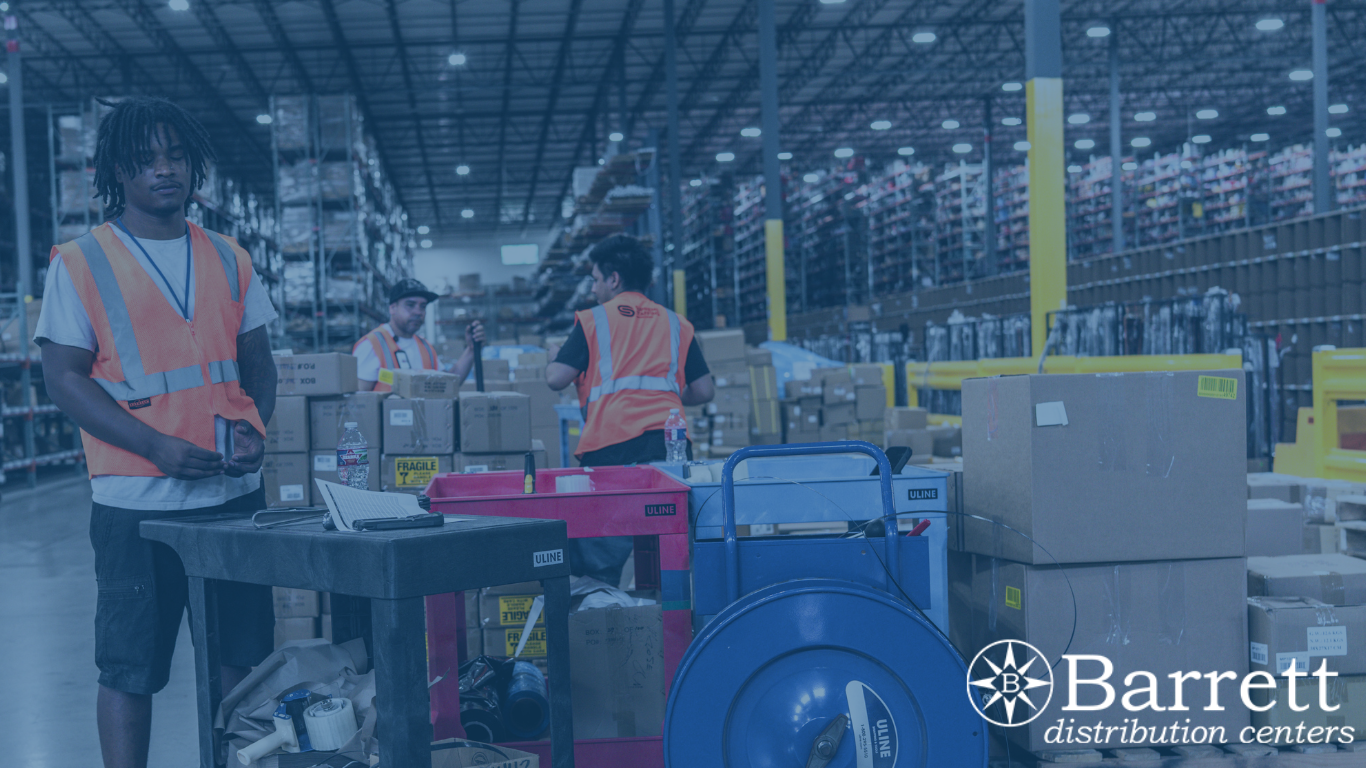
As peak shipping season approaches, one thing becomes increasingly clear: freight markets don't stay static for long. Rising demand can affect everything from transportation costs and carrier availability to inventory planning and customer satisfaction. For shippers, understanding these shifts before they happen can make the difference between a smooth peak season and costly disruptions. While every peak season looks a little different, the underlying challenges remain the same. More freight enters the market, available capacity tightens, transit times become less predictable, and competition for reliable transportation increases. Businesses that prepare early are often in a much stronger position to maintain service levels, reduce costs, and keep customers satisfied. Why Freight Demand Increases During Peak Season Peak season is fueled by a combination of retail demand, manufacturing cycles, holiday inventory replenishment, and seasonal consumer spending. Retailers begin building inventory months before major shopping events, manufacturers ramp up production, and distributors move larger volumes through their supply chains to meet customer expectations. This increase in activity creates pressure across the logistics network. Warehouses receive more inventory, transportation providers manage higher shipment volumes, and available trucking capacity becomes more competitive. Current market data suggests freight demand is beginning to strengthen. According to the May 2026 Cass Freight Index® , "the shipments component of the Cass Freight Index rose 3.0% month over month in May, narrowing the year-over-year decline to 1.2%, the smallest in 18 months." The report also noted that "many spot indicators suggest improving freight demand," signaling positive momentum heading into the second half of the year. For shippers, these trends serve as an early reminder that transportation conditions can change quickly as seasonal demand builds. What Rising Freight Demand Means for Shippers As freight volumes increase, transportation capacity often becomes more limited. Trucks, trailers, and drivers become committed more quickly, leaving less flexibility for last-minute shipments. This can lead to higher transportation costs, fewer scheduling options, and longer lead times. Businesses that wait until the last minute to secure freight capacity may find themselves paying premium rates or struggling to meet customer delivery expectations. The Cass Freight Index projects that if normal seasonal trends continue, freight shipments could "turn positive year over year in July," reinforcing expectations that freight activity will continue to strengthen as the year progresses. Capacity Tightens as Competition Increases One of the biggest challenges during peak season isn't necessarily a shortage of trucks—it's increased competition for available capacity. As more businesses move freight at the same time, carriers naturally prioritize loads that fit their networks and schedules. That means shippers with strong planning processes and established transportation relationships are often in a better position than those relying solely on the spot market. FreightWaves recently summarized the current market by noting that "a positive inflection in freight shipments now appears likely after 40 months of year-over-year declines." The publication also highlighted that improving demand, tighter inventories, and recovering freight volumes are expected to support transportation activity during the second half of the year. For businesses, this means planning shipments earlier and maintaining flexibility wherever possible. Inventory Planning Becomes Even More Important Transportation planning and inventory management go hand in hand. Delayed inbound shipments can affect production schedules, warehouse operations, and ultimately customer deliveries. Many businesses respond by bringing inventory into distribution centers earlier than usual, giving themselves a buffer before demand reaches its highest levels. While carrying additional inventory requires warehouse space and careful management, it can help reduce the impact of transportation delays later in the season. The Cass Freight Index also reported that freight expenditures increased 7.5% year over year in May, reflecting a combination of improving shipment activity, higher freight rates, and fuel costs. Monitoring both inventory levels and transportation costs together allows businesses to make more informed supply chain decisions throughout peak season. Strong Carrier Relationships Matter More Than Ever During slower freight markets, transportation decisions are often driven by price. During peak season, however, reliability becomes just as important. Working with trusted carriers or an experienced third-party logistics provider (3PL) can improve shipment visibility, communication, and access to available capacity when transportation networks become more competitive. Market analysts at DAT recently observed that while shipment volumes have been slower to recover, transportation pricing has already started moving upward. As the company noted, "demand hasn't recovered, but the cost of moving freight isn't waiting." This highlights the importance of planning ahead rather than assuming favorable market conditions will continue indefinitely. Businesses that diversify their carrier network and build long-term transportation partnerships are often better positioned to navigate seasonal fluctuations. How a 3PL Can Help During Peak Season Managing increased freight demand requires more than simply booking additional trucks. It requires visibility, flexibility, and the ability to adapt quickly as market conditions change. A third-party logistics provider can help businesses scale transportation capacity, coordinate warehouse operations, manage carrier relationships, and improve shipment visibility throughout peak season. Rather than scrambling to secure capacity during periods of high demand, companies working with a 3PL often gain access to established carrier networks and logistics expertise that help reduce delays and improve service levels. Planning Ahead Creates a Competitive Advantage While no business can eliminate every supply chain disruption, early planning significantly reduces risk. Forecasting shipment volumes, reviewing inventory levels, communicating with suppliers, and securing transportation capacity before peak season begins all contribute to a stronger supply chain. Current freight indicators point toward a market that is gradually strengthening. As the Cass Freight Index observed, "many spot indicators suggest improving freight demand," while FreightWaves expects shipment volumes to continue recovering as inventory levels normalize and seasonal demand increases. Businesses that prepare now will be better equipped to navigate capacity constraints, manage transportation costs, and maintain the reliable service customers expect. Looking Ahead Peak season presents both challenges and opportunities for shippers. Rising freight demand can create pressure on transportation networks, but it also rewards businesses that plan proactively and build resilient supply chains. By forecasting demand early, strengthening carrier relationships, optimizing inventory strategies, and partnering with experienced logistics providers when needed, companies can position themselves for a successful peak season. In today's freight market, preparation isn't just a best practice—it's a competitive advantage. Sources: Cass Information Systems. Cass Transportation Index Report – May 2026. https://www.cassinfo.com/freight-audit-payment/cass-transportation-indexes/may-2026 https://www.freightwaves.com/news/cass-report-freight-volume-recovery-set-for-second-half https://www.dat.com/blog/dry-van-report-cass-freight-shipment-index-volumes-are-still-soft-rates-arent-waiting
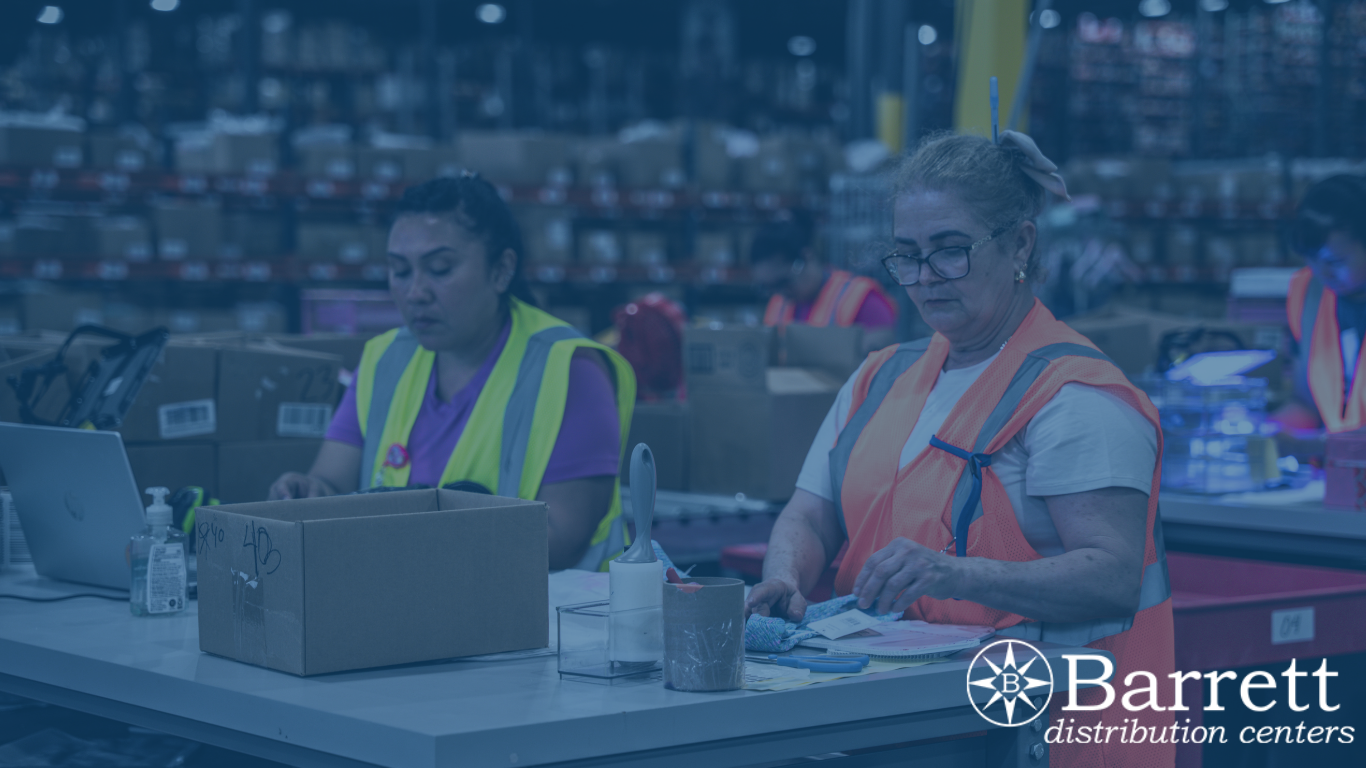
If there’s one lesson that experienced supply chain professionals learn every year, it’s that peak season doesn’t begin when order volumes spike. It begins months before the first holiday order is placed. Businesses that wait until the busy season arrives often find themselves dealing with inventory shortages, labor challenges, shipping delays, and warehouse congestion at the exact moment they need operations to run at their best. 锘� Whether you're preparing for the holiday shopping season, a major product launch, or another predictable demand surge, early planning gives your warehouse the flexibility to handle increased volume while maintaining the service levels your customers expect. When Should You Start Preparing for Peak Season? For most businesses, warehouse preparation should begin three to six months before peak season. While every industry has its own sales cycle, this timeframe allows companies to forecast inventory needs, secure warehouse space, coordinate transportation, and identify potential operational bottlenecks before they become costly problems. Waiting until demand begins to rise often limits your options. Warehouse space becomes more difficult to secure, transportation capacity tightens, and hiring qualified labor becomes increasingly competitive. Planning ahead gives your business the flexibility to respond to changing market conditions instead of reacting to them. Build a Strong Foundation with Accurate Forecasting The first step in preparing for peak season is understanding what demand is likely to look like. Historical sales data provides valuable insight into seasonal trends, helping businesses identify when order volumes typically increase and which products are likely to see the highest demand. However, forecasting should go beyond looking at last year's numbers. Product launches, promotional campaigns, changing consumer buying habits, and market conditions can all influence inventory requirements. The more accurate your forecast, the better equipped your warehouse will be to meet customer demand without carrying unnecessary inventory. Evaluate Warehouse Capacity Before It Becomes a Problem As inventory levels increase, warehouse space can quickly become limited. A facility that operates efficiently during normal business conditions may become overcrowded once seasonal inventory begins arriving. Reviewing your warehouse layout well in advance allows you to optimize storage locations, improve picking paths, and create additional space where possible. If projections show that existing capacity won't be enough, securing overflow warehousing early can prevent operational disruptions later in the season. Plan Your Workforce Early Peak season often requires additional warehouse associates, forklift operators, and supervisors to maintain productivity. Hiring temporary workers at the last minute can be difficult, especially when many businesses are competing for the same talent. Beginning recruitment and training several months ahead of peak season gives employees time to learn warehouse procedures, safety protocols, and technology systems before order volumes increase. Well-trained teams are more productive, make fewer mistakes, and help maintain customer satisfaction during the busiest weeks of the year. Optimize Warehouse Technology and Processes Technology can make a significant difference when order volumes surge. Before peak season begins, warehouse management systems should be reviewed to ensure inventory accuracy, efficient workflows, and reliable reporting. Small process improvements can also have a meaningful impact. Reviewing picking strategies, updating barcode scanning procedures, and refining inventory organization can improve fulfillment speed while reducing errors when operations are under pressure. Don't Overlook Transportation Planning Warehouse preparation extends beyond the four walls of your facility. Transportation capacity often becomes more constrained during peak season, making it important to coordinate shipments well in advance. Working closely with carriers and logistics partners allows businesses to secure capacity earlier, minimize shipping delays, and better manage inbound and outbound freight. Early transportation planning also provides more flexibility if unexpected changes occur during the season. Consider Whether a 3PL Can Help You Scale For many businesses, peak season exposes the limitations of their current warehouse operations. Limited storage space, labor shortages, or increasing fulfillment demands can make it difficult to maintain service levels. Partnering with a third-party logistics provider (3PL) can provide the additional warehouse capacity, experienced workforce, and transportation support needed to navigate seasonal demand. A flexible logistics partner allows businesses to scale operations without investing in permanent facilities or staffing. Keep Communication Flowing Across the Supply Chain Successful peak season preparation depends on more than warehouse operations alone. Suppliers, carriers, warehouse teams, and customers all benefit from clear communication and shared expectations. Providing accurate inventory forecasts, production schedules, and shipping timelines creates greater visibility across the supply chain. Strong communication helps reduce delays, improve coordination, and ensure everyone is prepared for increased demand. Early Preparation Leads to a Stronger Peak Season Peak season will always bring additional pressure, but businesses that begin preparing months in advance are better positioned to handle it successfully. Forecasting demand, evaluating warehouse capacity, planning labor, optimizing technology, and coordinating transportation all contribute to a smoother operation when order volumes increase. Rather than viewing peak season preparation as a last-minute checklist, businesses should treat it as an ongoing strategy. The earlier planning begins, the more opportunities there are to improve efficiency, reduce risk, and deliver the level of service customers expect during the busiest time of the year.