
Let Barrett Cook for You: A Recipe for Success in 3PL

Katherine Wroth • October 30, 2024

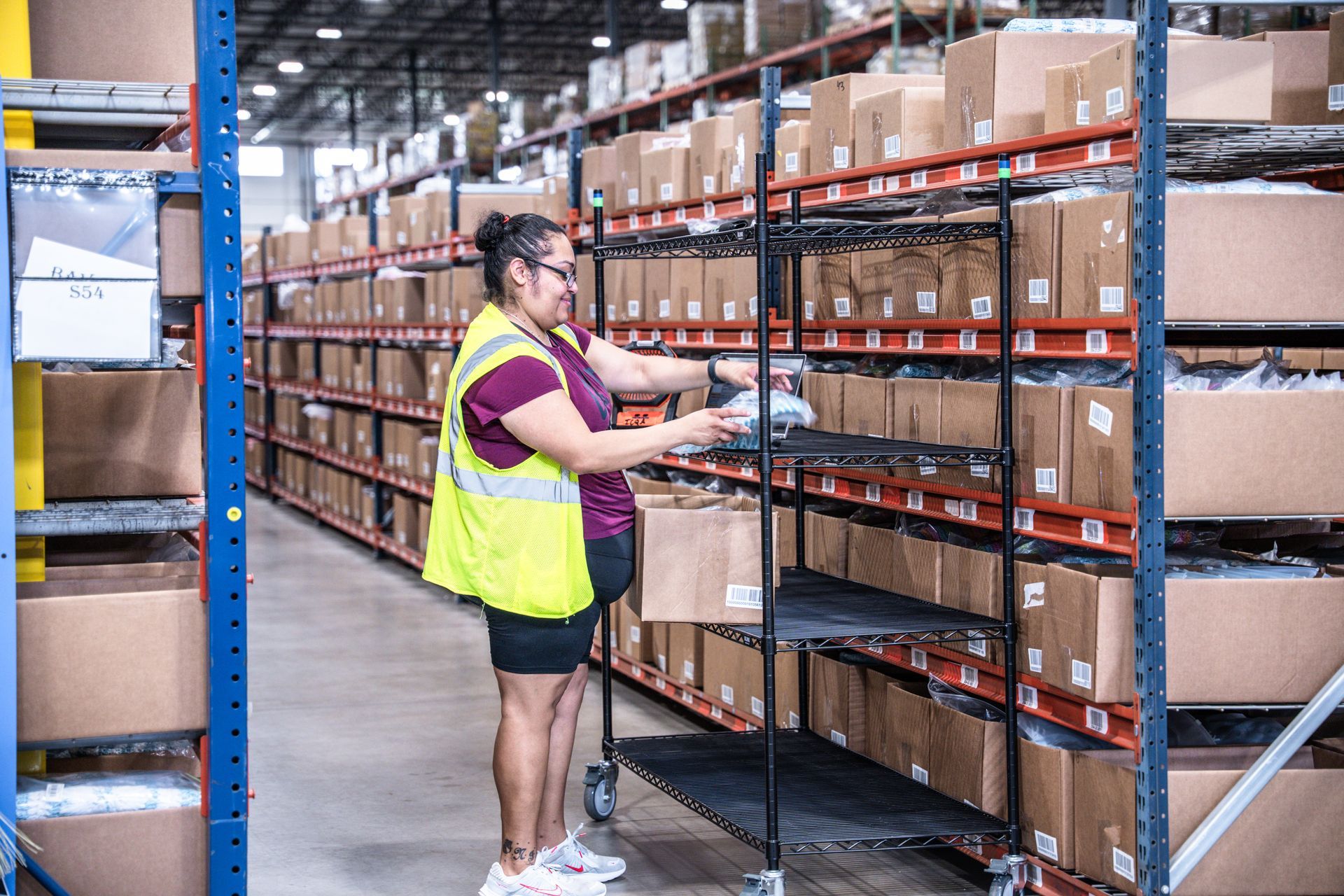
Each brand's supply chain has its unique “recipe” for success, with ingredients carefully tailored to meet their needs and goals. At Barrett Distribution, we think of ourselves as the master chefs of 3PL. What does this mean? It means we're ready to take on the logistics of “cooking” so you can savor the benefits of a high-performing, personalized fulfillment experience without the stress. So, let’s look at our approach to cooking up a recipe for your brand’s success.


The Ingredients for Success: What Makes the Barrett Recipe Unique

Creating a top-tier logistics strategy requires the right blend of expertise, consistency and adaptability. Here’s a look at some of the key ingredients that go into each of our client solutions:


1.Reliable Fulfillment – The “Meat and Potatoes” of Your Logistics Strategy


Every successful meal has a foundation, and in logistics, reliable fulfillment is ours. Ensuring orders are fulfilled accurately and on time is non-negotiable, so we’ve built our operations around trust and consistency. With Barrett, your customers receive their orders exactly as expected, reinforcing your brand’s reputation and loyalty.


2. Customization – Adding Your Unique Flavor with Value-Added Services


Just as each chef has a unique style to their cooking, every brand has distinct needs. Customization is at the heart of what we do. From specialized packaging to handling unique SKU requirements, we take the time to understand what makes your brand stand out and bring those elements to life. At Barrett, we aim to complement your brand’s “flavor” so that each fulfillment step feels like a natural extension of your business.


3. Flexibility – Adapting to Your Needs in Real Time


Every great recipe can benefit from a tweak here and there, and a successful 3PL strategy thrives on flexibility. With market demands constantly changing, Barrett offers the scalability required to meet shifting needs; whether it’s a surge during peak seasons or a refined approach during quieter times. We keep our processes as adaptable as you need them, so you never have to compromise on quality or timing.


4. Transparency – Ensuring You Can See Each Step of the Process


One of the best parts of a great meal is knowing what’s in it; and at Barrett, transparency is key. With Barrett’s advanced tracking and communication systems, we keep you informed every step of the way. You’ll always know where your products are, allowing you to share accurate updates with your customers. It’s our way of giving you a “taste test” as we go, so you can rest assured every element is up to your standards.


Putting It All Together: Serving Up Success

At Barrett, we see ourselves as an extension of your brand. We’re not just here to handle your supply chain—we’re here to enhance your brand’s story, ensure your customers receive the desired experience and allow you to focus on what you do best. We combine our specialized ingredients into a logistics “recipe” prepared just for you.


So, why stress over your supply chain when you can let Barrett cook up a strategy personalized just for you? By partnering with us, you can focus on what matters: growing your brand, nurturing customer relationships and watching your business scale and thrive.


Ready for a Taste Test?

We’d love to show you firsthand how Barrett can become the logistics partner you’ve been searching for. Let’s connect, discuss your unique needs, and craft a unique solution for your brand. Because in our kitchen, your success is always the main course.


At Barrett Distribution, we’re committed to excellence. Contact us to learn how we can help you create the perfect logistics solution.

Recent Blog Posts

By Faith Artieda August 18, 2026
If there’s one lesson that experienced supply chain professionals learn every year, it’s that peak season doesn’t begin when order volumes spike. It begins months before the first holiday order is placed. Businesses that wait until the busy season arrives often find themselves dealing with inventory shortages, labor challenges, shipping delays, and warehouse congestion at the exact moment they need operations to run at their best.  Whether you're preparing for the holiday shopping season, a major product launch, or another predictable demand surge, early planning gives your warehouse the flexibility to handle increased volume while maintaining the service levels your customers expect. When Should You Start Preparing for Peak Season? For most businesses, warehouse preparation should begin three to six months before peak season. While every industry has its own sales cycle, this timeframe allows companies to forecast inventory needs, secure warehouse space, coordinate transportation, and identify potential operational bottlenecks before they become costly problems. Waiting until demand begins to rise often limits your options. Warehouse space becomes more difficult to secure, transportation capacity tightens, and hiring qualified labor becomes increasingly competitive. Planning ahead gives your business the flexibility to respond to changing market conditions instead of reacting to them. Build a Strong Foundation with Accurate Forecasting The first step in preparing for peak season is understanding what demand is likely to look like. Historical sales data provides valuable insight into seasonal trends, helping businesses identify when order volumes typically increase and which products are likely to see the highest demand. However, forecasting should go beyond looking at last year's numbers. Product launches, promotional campaigns, changing consumer buying habits, and market conditions can all influence inventory requirements. The more accurate your forecast, the better equipped your warehouse will be to meet customer demand without carrying unnecessary inventory. Evaluate Warehouse Capacity Before It Becomes a Problem As inventory levels increase, warehouse space can quickly become limited. A facility that operates efficiently during normal business conditions may become overcrowded once seasonal inventory begins arriving. Reviewing your warehouse layout well in advance allows you to optimize storage locations, improve picking paths, and create additional space where possible. If projections show that existing capacity won't be enough, securing overflow warehousing early can prevent operational disruptions later in the season. Plan Your Workforce Early Peak season often requires additional warehouse associates, forklift operators, and supervisors to maintain productivity. Hiring temporary workers at the last minute can be difficult, especially when many businesses are competing for the same talent. Beginning recruitment and training several months ahead of peak season gives employees time to learn warehouse procedures, safety protocols, and technology systems before order volumes increase. Well-trained teams are more productive, make fewer mistakes, and help maintain customer satisfaction during the busiest weeks of the year. Optimize Warehouse Technology and Processes Technology can make a significant difference when order volumes surge. Before peak season begins, warehouse management systems should be reviewed to ensure inventory accuracy, efficient workflows, and reliable reporting. Small process improvements can also have a meaningful impact. Reviewing picking strategies, updating barcode scanning procedures, and refining inventory organization can improve fulfillment speed while reducing errors when operations are under pressure. Don't Overlook Transportation Planning Warehouse preparation extends beyond the four walls of your facility. Transportation capacity often becomes more constrained during peak season, making it important to coordinate shipments well in advance. Working closely with carriers and logistics partners allows businesses to secure capacity earlier, minimize shipping delays, and better manage inbound and outbound freight. Early transportation planning also provides more flexibility if unexpected changes occur during the season. Consider Whether a 3PL Can Help You Scale For many businesses, peak season exposes the limitations of their current warehouse operations. Limited storage space, labor shortages, or increasing fulfillment demands can make it difficult to maintain service levels. Partnering with a third-party logistics provider (3PL) can provide the additional warehouse capacity, experienced workforce, and transportation support needed to navigate seasonal demand. A flexible logistics partner allows businesses to scale operations without investing in permanent facilities or staffing. Keep Communication Flowing Across the Supply Chain Successful peak season preparation depends on more than warehouse operations alone. Suppliers, carriers, warehouse teams, and customers all benefit from clear communication and shared expectations. Providing accurate inventory forecasts, production schedules, and shipping timelines creates greater visibility across the supply chain. Strong communication helps reduce delays, improve coordination, and ensure everyone is prepared for increased demand. Early Preparation Leads to a Stronger Peak Season Peak season will always bring additional pressure, but businesses that begin preparing months in advance are better positioned to handle it successfully. Forecasting demand, evaluating warehouse capacity, planning labor, optimizing technology, and coordinating transportation all contribute to a smoother operation when order volumes increase. Rather than viewing peak season preparation as a last-minute checklist, businesses should treat it as an ongoing strategy. The earlier planning begins, the more opportunities there are to improve efficiency, reduce risk, and deliver the level of service customers expect during the busiest time of the year.
By Faith Artieda August 14, 2026
When businesses choose a third-party logistics (3PL) provider, they often compare warehouse locations, technology, and pricing. Those are all important factors—but there's another element that has an even greater impact on day-to-day performance: the people operating the warehouse.  Accurate orders, efficient processes, and reliable customer service don't happen by chance. They're the result of employees who understand the operation, know their customers' requirements, and are empowered to make the right decisions. At Barrett Distribution, creating that consistency starts long before an employee begins picking orders or managing inventory. Building a Common Foundation Every warehouse has its own processes, but Barrett believes every employee should begin with the same understanding of what success looks like. New hires are introduced to the company's culture, values, and operating philosophy during orientation, creating a consistent foundation regardless of their role or location. According to Judith Cantino, Vice President of Human Resources , that shared understanding is intentional. "From Day One, employees are introduced to Barrett's vision and values. Every training program that follows is built around the same core concepts: Lean and Continuous Improvement, and One Call Resolution." Rather than treating training as a checklist, Barrett uses it to establish a common way of thinking about customer service, teamwork, and operational excellence. Every Customer Is Different—And So Is Every Training Plan One of the biggest misconceptions about warehousing is that every operation works the same way. In reality, every customer has different products, different systems, and different expectations. A cosmetics company may require completely different inventory controls than a food manufacturer or an apparel brand. That's why Barrett doesn't stop with general warehouse training. "Employees learn Customer-Specific Standard Operating Procedures, so they're prepared for the exact requirements of the account they support—not just warehouse work in general." By tailoring training to individual customer accounts, Barrett helps ensure employees understand the specific processes, quality standards, and service expectations that matter most to each client. For customers, that means greater consistency from the people handling their products every day. Learning Is Part of the Job Warehouse operations continue to evolve, and employee development has to evolve with them. New technologies, changing customer requirements, safety regulations, and operational improvements all require continuous learning. Barrett supports that growth through a combination of compliance training, operational education, leadership development, and professional learning opportunities. Employees have access to specialized programs such as the Emerging Leader Program and the Always Better Champions Program, along with a learning management system offering more than 60,000 courses across subjects including leadership, communication, artificial intelligence, project management, and cybersecurity. Rather than limiting development to supervisors or managers, Barrett encourages continuous learning across the organization. Operational Excellence Isn't Just About Technology Technology plays an important role in modern logistics, but even the best warehouse management system depends on knowledgeable people using it effectively. Barrett's Operations Excellence (OPEX) teams support more than 120 operational skills, processes, and standard operating procedures that help create consistency across facilities. Combined with Lean principles and continuous improvement initiatives, these standardized processes help teams identify opportunities to improve quality, efficiency, and customer service. This focus on operational excellence isn't about maintaining the status quo—it's about continually finding better ways to serve customers. Investing in Leadership at Every Level One of Barrett's long-term goals is to develop leaders from within the organization. That philosophy creates opportunities for employees while strengthening operations. Leaders who have grown within the company understand Barrett's culture, its customers, and the day-to-day realities of warehouse operations. As Cantino explains: "Promotion-from-within takes a job and turns it into a career." Developing future leaders internally also helps preserve institutional knowledge and creates continuity for customers whose operations depend on experienced teams. A Better Experience for Customers and Employees Employee development isn't simply an investment in Barrett's workforce—it's an investment in customer success. Well-trained employees make fewer errors, adapt more quickly to operational changes, and are better prepared to support each customer's unique requirements. As employees grow within the organization, they bring valuable experience that strengthens every aspect of warehouse operations. In an industry often defined by turnover, Barrett has built a culture around long-term development, continuous learning, and operational consistency. Because when employees are equipped to succeed, customers benefit too.
By Faith Artieda August 13, 2026
Yes, storing inventory in California can reduce shipping costs—especially for businesses serving customers on the West Coast or importing products through Pacific ports. By positioning inventory closer to customers, companies can shorten shipping distances, rely more on ground transportation, and reduce overall transportation expenses while improving delivery speed. Key Takeaways Storing inventory in California can lower shipping costs by reducing transit distances to West Coast customers. A California warehouse helps businesses improve delivery times while decreasing reliance on expensive expedited shipping. Partnering with an experienced 3PL allows businesses to optimize inventory placement, transportation, and fulfillment operations. Why Does Warehouse Location Affect Shipping Costs? Shipping costs are influenced by more than package size and carrier rates. The distance between your warehouse and your customers plays a major role in determining how much you spend on transportation. When inventory is stored closer to where orders are being delivered, shipments travel fewer miles. This often results in lower parcel costs, faster delivery times, and greater flexibility when choosing shipping methods. For businesses with a large customer base in the western United States, storing inventory in California can be a simple yet effective way to reduce transportation expenses while improving service levels. How Does a California Warehouse Lower Shipping Costs? A California warehouse allows businesses to fulfill orders closer to millions of consumers across the West Coast. Instead of shipping every order from a warehouse located in another region, businesses can use ground shipping to reach customers in California and neighboring states more quickly. Ground transportation is typically more cost-effective than expedited air services, making it possible to reduce shipping expenses without sacrificing delivery speed. As shipping volumes increase, these savings can add up significantly, particularly for ecommerce businesses fulfilling hundreds or thousands of orders each month. Why Is California a Strategic Location for Distribution? California is one of the largest consumer markets in the United States and serves as a major logistics hub for domestic and international commerce. The state offers access to extensive highway networks, major parcel carrier operations, international airports, and some of the nation's busiest seaports. This infrastructure allows businesses to efficiently move products from ports to warehouses and then on to customers throughout the western United States. For importers, storing inventory near a port can also reduce inland transportation costs while making products available for fulfillment more quickly. Which Businesses Benefit Most from California Warehousing? A California warehouse can benefit a wide range of businesses, but it is especially valuable for companies that regularly ship to customers in the western United States or import products from overseas. Ecommerce brands often use California fulfillment centers to improve delivery speeds and remain competitive with customer expectations for fast shipping. Retail suppliers can also benefit by positioning inventory closer to stores and distribution partners throughout the region. Businesses with seasonal demand or rapid growth may find that adding a West Coast warehouse provides greater flexibility while supporting future expansion. Can a California Warehouse Support Both Retail and Ecommerce Fulfillment? Yes. Many businesses today sell through multiple channels, including ecommerce websites, online marketplaces, wholesale customers, and retail stores. A strategically located California warehouse can support all of these channels while helping businesses maintain consistent inventory visibility and operational efficiency. Barrett Distribution operates fulfillment facilities in California as part of its nationwide logistics network and specializes in omnichannel fulfillment, supporting both business-to-business retail distribution and direct-to-consumer ecommerce fulfillment through customized warehouse solutions. How Does a 3PL Help Optimize Shipping Costs? Reducing shipping costs isn't just about warehouse location—it also requires efficient operations, strong carrier relationships, and advanced technology. An experienced third-party logistics (3PL) provider can help businesses determine the best inventory strategy based on customer demand, shipping patterns, and growth plans. Modern warehouse technology also provides real-time inventory visibility, helping ensure orders are fulfilled from the most efficient location. Barrett Distribution utilizes a Tier 1 Warehouse Management System, transportation management software, and customer reporting tools that provide visibility into inventory, orders, and fulfillment performance, helping customers improve operational efficiency across their supply chains. Is Storing Inventory in California the Right Choice? If a large percentage of your customers are located on the West Coast, storing inventory in California can provide measurable savings while improving delivery performance. By reducing shipping distances, improving transit times, and supporting efficient distribution, a California warehouse can help businesses build a more responsive and cost-effective supply chain. When combined with an experienced logistics partner, it also provides the flexibility to scale operations as customer demand grows. For businesses looking to strengthen their fulfillment strategy, California remains one of the most strategic warehouse locations in the country. Frequently Asked Questions Does storing inventory in California reduce shipping costs? Yes. Storing inventory closer to West Coast customers reduces shipping distances, allowing businesses to lower transportation costs and improve delivery times. Is California a good location for a fulfillment center? California is an excellent location for fulfillment because it provides access to a large consumer population, extensive transportation infrastructure, major ports, and regional parcel carrier networks. Do ecommerce businesses benefit from California warehousing? Yes. Ecommerce businesses can improve delivery speed, reduce shipping costs, and better meet customer expectations by positioning inventory closer to West Coast customers. Can a 3PL help determine the best warehouse locations? Yes. Experienced third-party logistics providers, including Barrett Distribution, help businesses develop inventory strategies that improve fulfillment performance while reducing transportation costs through strategically located warehouse networks.
More Posts