
Building a Winning Fulfillment Strategy for Your E-Commerce Business in 2025

Katherine Wroth • January 8, 2025
  • Are fulfillment errors holding back your e-commerce growth?
  • Are your warehouses positioned to cut down on shipping times and costs?
  • Is your fulfillment strategy scalable enough for business growth and seasonal demand?
  • Are you creating a fulfillment experience that drives repeat purchases and customer loyalty?


If these questions make you question your current approach, it’s time to rethink your fulfillment strategy. This blog will guide you through the key elements of a successful fulfillment strategy and how to overcome common obstacles to ensure sustainable growth.


馃搱 Order Volume: Scaling for Growth


Order volume is one of the most critical factors to consider when designing your fulfillment strategy. For businesses with smaller volumes, manual processes or in-house fulfillment might suffice. However, as your business grows, increased order volumes can quickly overwhelm your existing systems.


Scaling for higher order volumes often requires additional resources such as automation and skilled labor. Automation tools like warehouse robots or conveyor systems can improve efficiency and reduce bottlenecks.


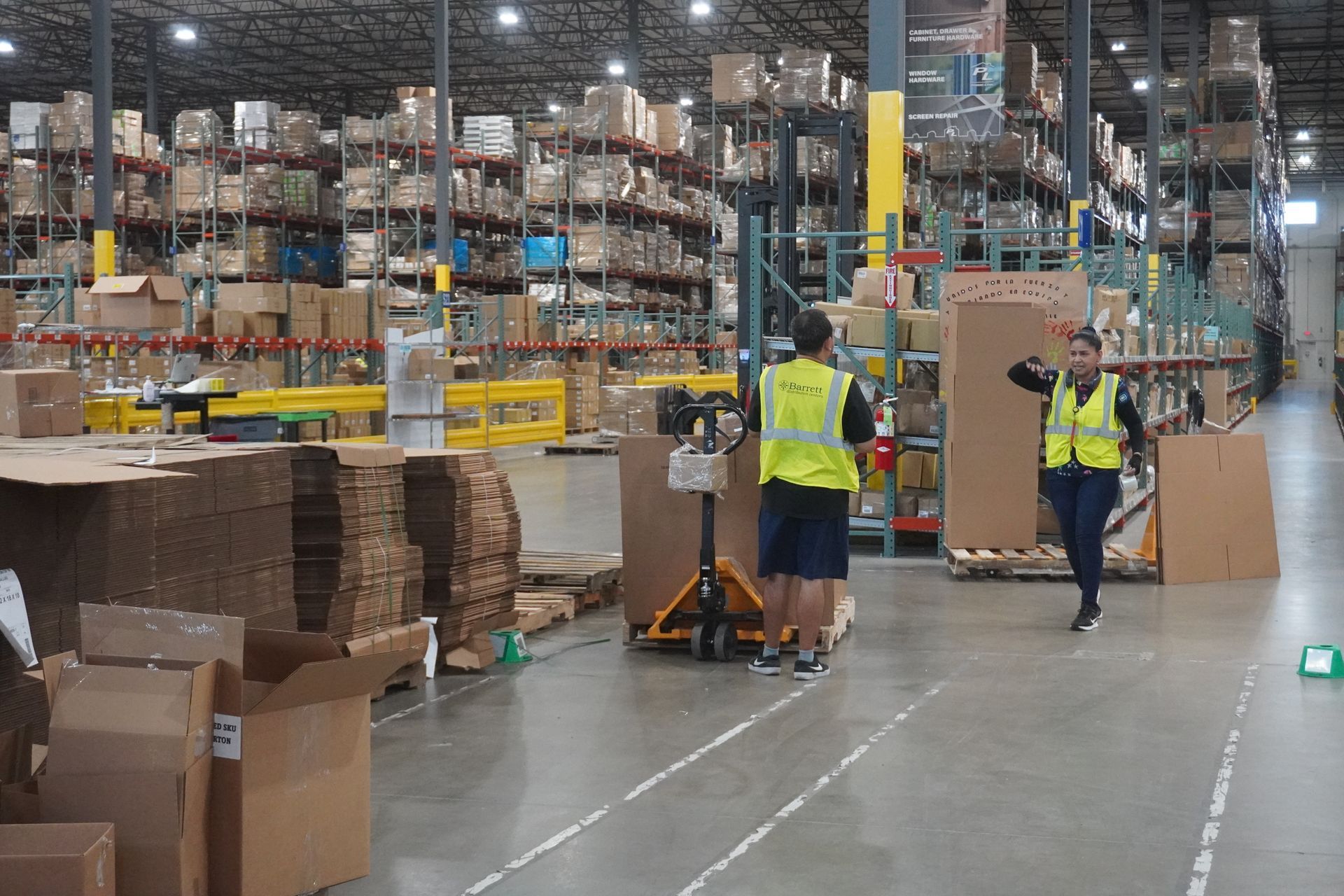
At Barrett, we invest in technology, so you don’t have to. Our facilities are equipped with drones and Autonomous Mobile Robots (AMRs), providing the scalability and flexibility needed to meet increasing demands. Customers can experience faster shipping times and a more seamless shopping experience.


鈴 Speed and Accuracy: The Cornerstones of Customer Loyalty


Fast delivery is no longer optional. It is the new standard that customers today expect and demand. However, speed without accuracy can lead to mistakes that erode trust and loyalty. Fulfillment strategies prioritizing speed and accuracy are essential for reducing errors, minimizing returns and fostering long-term customer relationships.


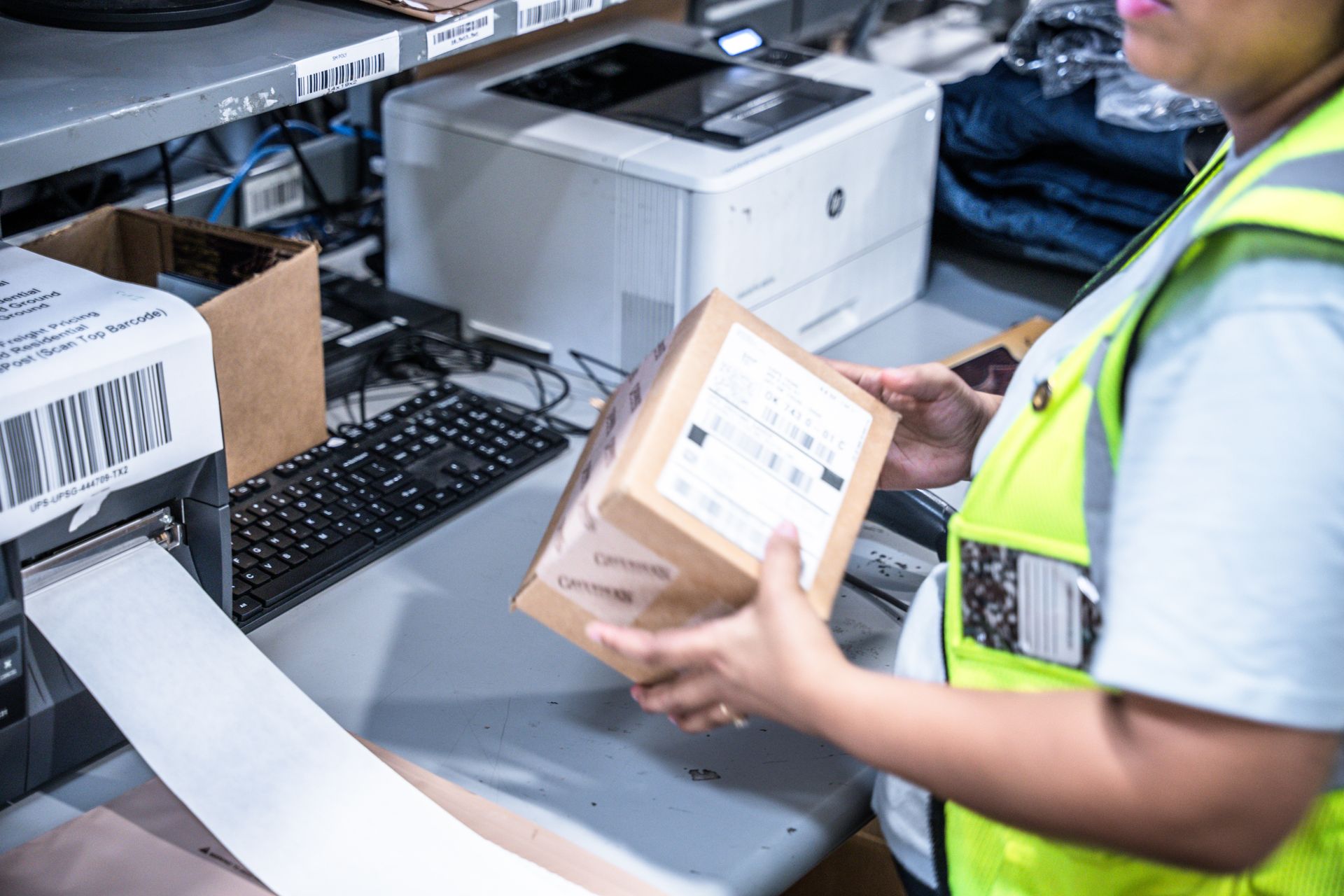
To achieve this balance, consider adopting advanced order management systems that streamline the picking and packing. At Barrett, we use License Plate (LP) accuracy, barcode scanning and real-time inventory tracking to ensure orders are fulfilled accurately and efficiently.


馃搷 Warehouse Location: Optimizing for Efficiency


The proximity of your warehouses to your customers can significantly impact shipping times and costs. Strategically located warehouses reduce transit times and help meet customers' expectations for fast delivery.


A network of distribution centers in key regions allows you to ship products from locations closer to your customers, lowering shipping costs and improving delivery speeds. Partnering with a 3PL like Barrett, with established facilities nationwide, can help you expand your geographic reach without needing heavy capital investment in real estate.


鉁 Scalability: Planning for the Future


Your fulfillment strategy should be designed to grow with your business. A flexible and scalable approach ensures that you can adapt to seasonal fluctuations, new product launches and increased order volumes as your business evolves.


For example, outsourcing fulfillment to a 3PL provider can provide the infrastructure and expertise needed to scale up quickly during busy seasons like the holidays without overextending your internal resources. A scalable solution lets you focus on core business activities like marketing and product development.


Insider tip:  Some 3PL providers take on new clients without considering whether they can handle the volume over time. At Barrett, we’re committed to long-term partnerships, growing with you every step of the way.


馃摝 Customer Experience: The Final Touch


Fulfillment is not just about getting products to customers—it’s about creating a memorable experience. Details like easy returns, eco-friendly packaging and personalized touches can leave a lasting impression and build customer loyalty.


Personalized fulfillment can include branded packaging, handwritten thank-you notes or special offers can enhance the unboxing experience and encourage repeat purchases. Similarly, a smooth and hassle-free return process shows customers that their satisfaction is a priority, further strengthening their trust in your brand.


Ready to Build Your Fulfillment Strategy?


With over 80 years of expertise, Barrett Distribution delivers personalized, scalable 3PL solutions tailored to your unique needs. From advanced technology to strategically located warehouses, we equip your business with the tools and expertise to streamline operations and fuel growth.


Let’s build your winning fulfillment strategy today. Contact us today to connect with a Barrett 3PL expert for a complimentary supply chain consultation.

Recent Blog Posts
By Faith Artieda July 24, 2026
Choosing the right third-party logistics (3PL) provider is one of the most important decisions a growing business can make. While traditional warehouses simply store and ship products, today's supply chains require much more. A modern 3PL should serve as a strategic partner—helping businesses improve efficiency, reduce costs, and deliver a seamless customer experience. Whether you're an ecommerce retailer, consumer packaged goods manufacturer, or omnichannel brand, here are the essential services every modern 3PL should offer. Comprehensive Warehousing and Inventory Management Every successful fulfillment operation starts with accurate inventory management. A modern 3PL should provide secure warehousing, efficient receiving processes, organized storage, and real-time inventory tracking. With accurate inventory data, businesses can avoid stockouts, reduce excess inventory, and make better purchasing decisions. Real-time visibility also allows customers to quickly respond to demand changes while maintaining confidence in inventory accuracy. Omnichannel Fulfillment Today's consumers purchase products through a variety of channels, including ecommerce websites, online marketplaces, retail stores, and wholesale distributors. Managing these channels separately often creates unnecessary complexity. A modern 3PL should offer omnichannel fulfillment, allowing businesses to manage inventory from a centralized location while fulfilling orders across every sales channel. This helps improve efficiency, reduce inventory duplication, and create a consistent customer experience regardless of where an order originates. Transportation Management Shipping costs can significantly impact profitability. That's why transportation management has become an essential service offered by leading 3PL providers. A modern logistics partner should help businesses optimize carrier selection, compare shipping rates, improve transit times, and provide shipment tracking. Transportation expertise helps companies reduce costs while ensuring products reach customers quickly and reliably. Value-Added Services Not every order is as simple as picking and packing a product. Many businesses require additional services to meet customer or retailer requirements. Value-added services may include: Kitting and assembly Product labeling and relabeling Retail ticketing Custom packaging Returns processing Quality inspections Cross-docking Having these services available through one logistics provider simplifies operations and eliminates the need for multiple vendors. Advanced Technology and Integrations Technology has become one of the biggest differentiators among logistics providers. Businesses should look for a 3PL that offers a robust warehouse management system (WMS), real-time inventory visibility, order tracking, customer dashboards, and integrations with ecommerce platforms, ERP systems, and transportation software. These technologies provide valuable insights into inventory levels, fulfillment performance, and operational efficiency, allowing businesses to make informed decisions backed by real-time data. Reporting and Performance Metrics A modern 3PL should do more than fulfill orders—it should provide actionable insights. Regular reporting on inventory accuracy, order fulfillment, shipping performance, and operational KPIs helps businesses identify trends, improve forecasting, and uncover opportunities for continuous improvement. Data-driven decision-making is becoming a competitive advantage for organizations looking to optimize their supply chains. A Commitment to Continuous Improvement The best logistics providers never stop looking for ways to improve. Through regular business reviews, operational analysis, and process optimization, they work collaboratively with customers to increase efficiency and reduce costs over time. Rather than simply executing orders, a modern 3PL should proactively recommend improvements that support long-term business growth. How Barrett Delivers a Modern 3PL Experience At Barrett Distribution, technology and continuous improvement are at the core of every customer relationship. Barrett has invested in advanced warehouse management systems, transportation management technology, customer dashboards, and data analytics that provide real-time visibility into inventory, fulfillment performance, and key operational metrics. These tools help customers make informed decisions while improving efficiency across their supply chain. Combined with a culture focused on continuous improvement, Barrett works alongside customers to identify new opportunities for process optimization, cost savings, and operational excellence. Instead of simply providing warehouse space, Barrett delivers customized logistics solutions designed to evolve with each customer's business. Choosing the Right 3PL 锘 When evaluating a logistics partner, it's important to look beyond warehouse capacity alone. The right 3PL should offer advanced technology, scalable fulfillment services, transportation expertise, value-added capabilities, and a commitment to continuous improvement. A provider that combines these services with industry experience and a customer-first approach can help businesses build a more agile, efficient, and resilient supply chain—one that's ready to support growth for years to come.
By Faith Artieda July 23, 2026
Ecommerce fulfillment is the process of receiving, storing, picking, packing, and shipping products ordered online. It also includes inventory management, order tracking, and returns processing. Every time a customer places an order through an ecommerce website or online marketplace, the fulfillment process begins. As online shopping continues to grow, customers expect fast shipping, accurate orders, and real-time tracking. A well-managed fulfillment operation helps businesses meet these expectations while improving efficiency and creating a better customer experience. How Ecommerce Fulfillment Works The process starts when inventory arrives at a fulfillment center. Products are received, inspected, and stored in designated warehouse locations. Using a warehouse management system (WMS), inventory is tracked in real time, giving businesses visibility into stock levels and order activity. When an order is placed, warehouse associates pick the correct items, pack them securely, and prepare them for shipment. Once the order ships, customers receive tracking information, and if a return is needed, the fulfillment provider manages the reverse logistics process. Why Businesses Outsource Ecommerce Fulfillment Many growing businesses choose to partner with a third-party logistics (3PL) provider instead of managing fulfillment in-house. Outsourcing allows companies to reduce overhead costs, improve shipping efficiency, and scale operations without investing in additional warehouse space or labor. A 3PL can also provide access to advanced technology, carrier relationships, and fulfillment expertise that help businesses improve order accuracy and delivery performance. The Importance of Omnichannel Fulfillment Today's brands often sell through multiple channels, including their own website, Amazon, retail stores, and wholesale partners. Omnichannel fulfillment allows businesses to manage inventory from one location while fulfilling orders across every sales channel. This streamlined approach helps improve inventory accuracy, reduce operational complexity, and create a consistent customer experience. How Barrett Supports Ecommerce Brands As ecommerce businesses grow, their fulfillment needs become more complex. Barrett Distribution helps brands simplify those operations with customized fulfillment solutions designed to support direct-to-consumer, retail, wholesale, and marketplace orders from a single inventory. 锘 With advanced warehouse management technology, real-time inventory visibility, transportation management, and decades of fulfillment expertise, Barrett helps customers improve efficiency while delivering the speed and accuracy today's consumers expect.
By Faith Artieda July 22, 2026
Shipping costs are one of the largest expenses in any supply chain, and with rising carrier rates and increasing customer expectations, businesses are constantly looking for ways to ship more efficiently without sacrificing service. The good news is that reducing shipping costs doesn't always mean cutting corners,it often comes down to improving your logistics strategy. Here are a few proven ways businesses can lower shipping costs while maintaining a positive customer experience. Optimize Your Warehouse Location Where your inventory is stored has a direct impact on shipping costs. Placing inventory closer to your customers can reduce shipping zones, shorten transit times, and lower parcel expenses. Many businesses are strategically positioning inventory in key distribution markets, allowing them to reach more customers within one or two business days while minimizing transportation costs. Consolidate Inventory Managing inventory across multiple warehouses can increase storage costs and create inefficiencies. In many cases, consolidating inventory into a strategically located fulfillment center can improve inventory visibility, reduce duplicate stock, and simplify operations. The right strategy depends on your customer base and shipping patterns, making it important to evaluate your distribution network regularly. Use a Transportation Management System Transportation management systems (TMS) help businesses compare carrier rates, select the most cost-effective shipping methods, and optimize deliveries. These systems can identify opportunities to reduce parcel costs while maintaining delivery performance. Many third-party logistics providers (3PLs) use transportation technology to help customers improve shipping efficiency and gain greater visibility into their transportation spend. Improve Packaging Efficiency Oversized packaging can increase shipping costs by adding unnecessary dimensional weight. Using packaging that fits products more efficiently can help reduce freight expenses while minimizing material waste. Reviewing packaging designs regularly can lead to meaningful cost savings over time. Partner with an Experienced 3PL One of the most effective ways to reduce shipping costs is by working with a third-party logistics provider. Established 3PLs often have strong carrier relationships, advanced shipping technology, and transportation expertise that help businesses optimize their shipping strategy. At Barrett Distribution, transportation is integrated into a broader fulfillment strategy. Through advanced transportation management technology, carrier optimization, and strategically located distribution centers, Barrett helps customers improve transit times while identifying opportunities to reduce overall shipping costs. Combined with real-time reporting and supply chain visibility, businesses can make informed decisions that improve efficiency across their logistics network.
More Posts