By Faith Artieda
•
August 14, 2026
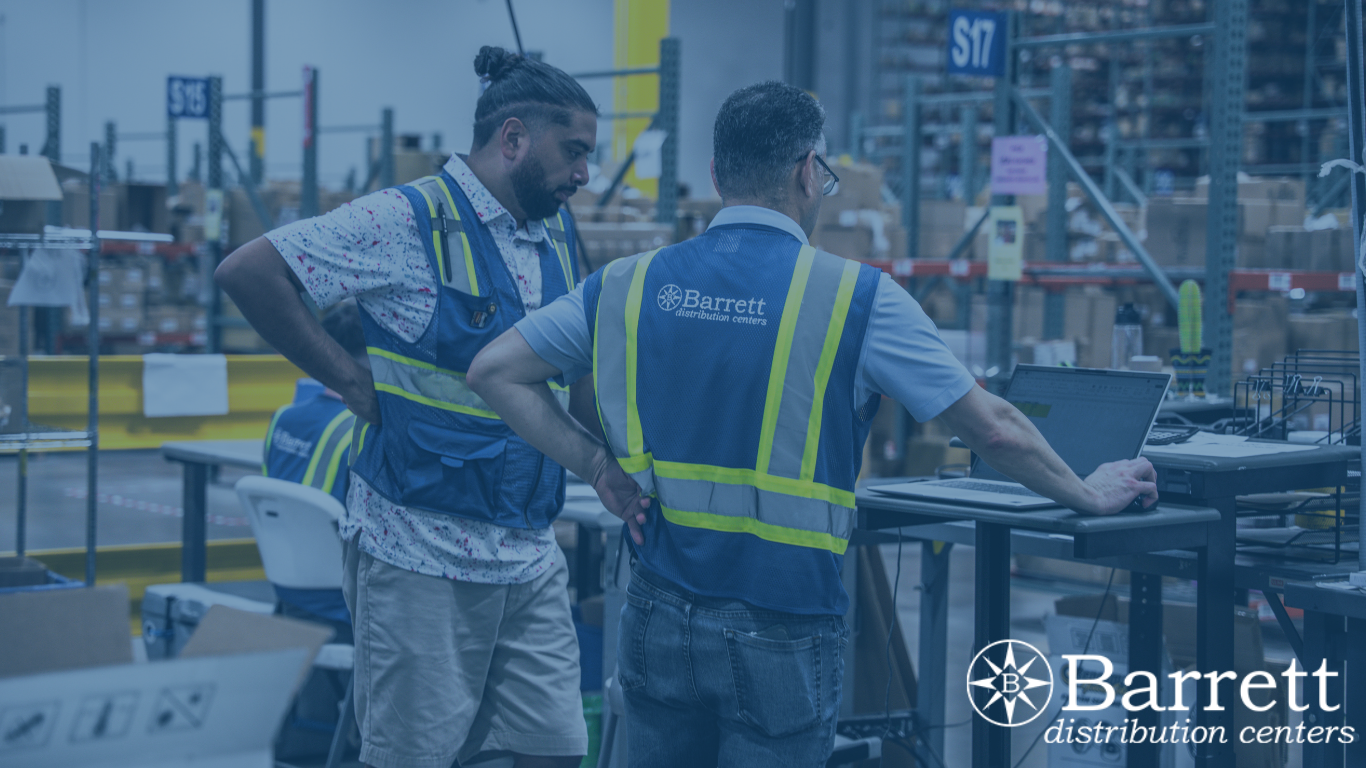
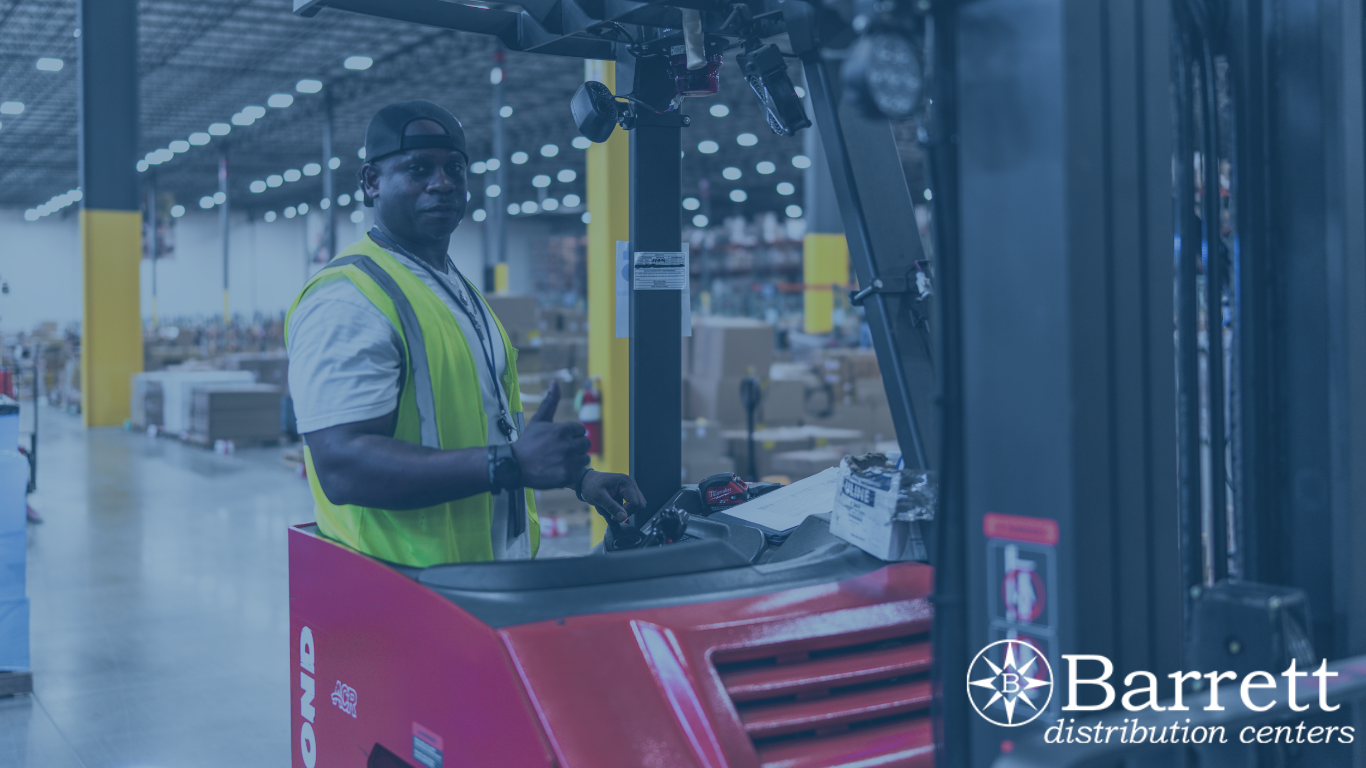
When businesses choose a third-party logistics (3PL) provider, they often compare warehouse locations, technology, and pricing. Those are all important factors—but there's another element that has an even greater impact on day-to-day performance: the people operating the warehouse. 锘� Accurate orders, efficient processes, and reliable customer service don't happen by chance. They're the result of employees who understand the operation, know their customers' requirements, and are empowered to make the right decisions. At Barrett Distribution, creating that consistency starts long before an employee begins picking orders or managing inventory. Building a Common Foundation Every warehouse has its own processes, but Barrett believes every employee should begin with the same understanding of what success looks like. New hires are introduced to the company's culture, values, and operating philosophy during orientation, creating a consistent foundation regardless of their role or location. According to Judith Cantino, Vice President of Human Resources , that shared understanding is intentional. "From Day One, employees are introduced to Barrett's vision and values. Every training program that follows is built around the same core concepts: Lean and Continuous Improvement, and One Call Resolution." Rather than treating training as a checklist, Barrett uses it to establish a common way of thinking about customer service, teamwork, and operational excellence. Every Customer Is Different—And So Is Every Training Plan One of the biggest misconceptions about warehousing is that every operation works the same way. In reality, every customer has different products, different systems, and different expectations. A cosmetics company may require completely different inventory controls than a food manufacturer or an apparel brand. That's why Barrett doesn't stop with general warehouse training. "Employees learn Customer-Specific Standard Operating Procedures, so they're prepared for the exact requirements of the account they support—not just warehouse work in general." By tailoring training to individual customer accounts, Barrett helps ensure employees understand the specific processes, quality standards, and service expectations that matter most to each client. For customers, that means greater consistency from the people handling their products every day. Learning Is Part of the Job Warehouse operations continue to evolve, and employee development has to evolve with them. New technologies, changing customer requirements, safety regulations, and operational improvements all require continuous learning. Barrett supports that growth through a combination of compliance training, operational education, leadership development, and professional learning opportunities. Employees have access to specialized programs such as the Emerging Leader Program and the Always Better Champions Program, along with a learning management system offering more than 60,000 courses across subjects including leadership, communication, artificial intelligence, project management, and cybersecurity. Rather than limiting development to supervisors or managers, Barrett encourages continuous learning across the organization. Operational Excellence Isn't Just About Technology Technology plays an important role in modern logistics, but even the best warehouse management system depends on knowledgeable people using it effectively. Barrett's Operations Excellence (OPEX) teams support more than 120 operational skills, processes, and standard operating procedures that help create consistency across facilities. Combined with Lean principles and continuous improvement initiatives, these standardized processes help teams identify opportunities to improve quality, efficiency, and customer service. This focus on operational excellence isn't about maintaining the status quo—it's about continually finding better ways to serve customers. Investing in Leadership at Every Level One of Barrett's long-term goals is to develop leaders from within the organization. That philosophy creates opportunities for employees while strengthening operations. Leaders who have grown within the company understand Barrett's culture, its customers, and the day-to-day realities of warehouse operations. As Cantino explains: "Promotion-from-within takes a job and turns it into a career." Developing future leaders internally also helps preserve institutional knowledge and creates continuity for customers whose operations depend on experienced teams. A Better Experience for Customers and Employees Employee development isn't simply an investment in Barrett's workforce—it's an investment in customer success. Well-trained employees make fewer errors, adapt more quickly to operational changes, and are better prepared to support each customer's unique requirements. As employees grow within the organization, they bring valuable experience that strengthens every aspect of warehouse operations. In an industry often defined by turnover, Barrett has built a culture around long-term development, continuous learning, and operational consistency. Because when employees are equipped to succeed, customers benefit too.