
A Match Made for Comfort: Barrett Distribution Centers Partners with #1 Pillow Maker COOP Sleep Goods

Bryan Corbett • January 24, 2024

Sleeping with Barrett: Beyond a Successful Peak Season
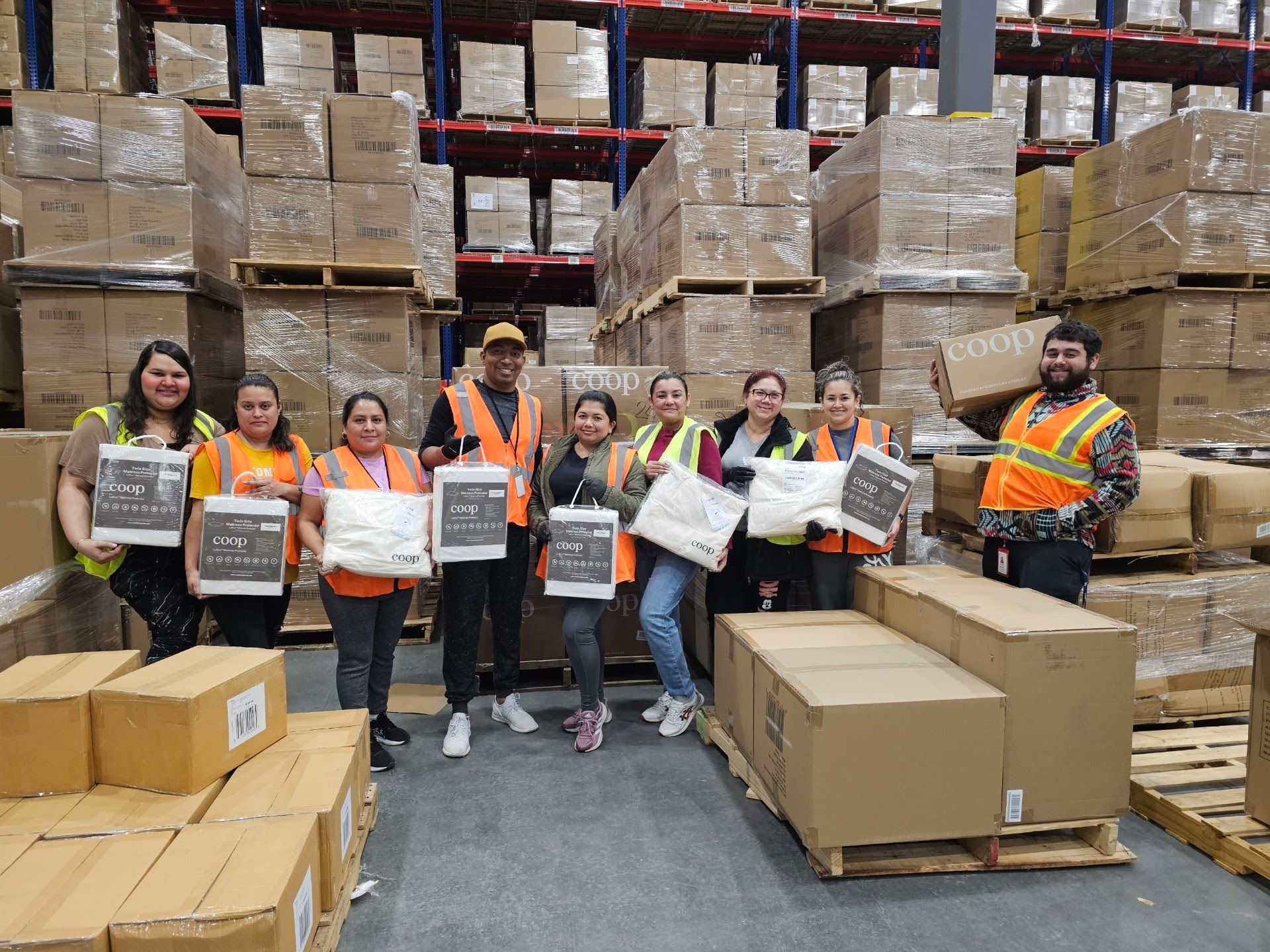
Franklin, MA – January 24, 2023 – Today, Barrett Distribution Centers, a pioneering name in third-party logistics (3PL) since 1941, is thrilled to announce its new partnership with the rapidly growing, direct-to-consumer (DTC) brand COOP Sleep Goods. Following a rigorous selection process, which saw several industry competitors vying for the opportunity, COOP has chosen Barrett as their 3PL provider to support their current eCommerce fulfillment needs as well as their rapid omnichannel expansion. COOP will also be taking advantage of the robust Managed Transportation solution at Barrett.


Bailey Kelly, Senior Director of Operations & Supply Chain, spearheaded the selection process on behalf of COOP. Bailey added, "We felt like Barrett had everything COOP needed in a level-up 3PL partner: extensive B2B/Retail Compliance experience, NetSuite & retail trading partner integrations along with a very competitive Managed Transportation product. We had a very successful holiday peak season with Barrett in 2023 and have been very pleased with our decision."


COOP Sleep Goods launched out of the Memphis region this past October, where Barrett maintains a strong campus of premium eCommerce fulfillment centers powered by .


 shared his perspective: “We are thrilled to be the chosen partner of COOP Sleep Goods. The COOP brand is growing rapidly across multiple channels, which was a perfect fit for Barrett's omnichannel fulfillment expertise. Very proud to be supporting their dynamic growth and brand awareness as the #1 rated pillow by Consumer Reports.”


, renowned for their innovative approach to sleep comfort, offers a range of adjustable, quality sleep products. Their flagship product, "The Original" pillow, along with others like "The Eden" and "The Original Body Pillow," highlight COOP's commitment to versatile, comfortable sleep solutions that cater to various sleeping styles. Emphasizing individual comfort, COOP designs products like the "Original Maternity Pillow" and the "Eden Cool+" collection, which provide targeted support and cooling features. This focus on adaptability and customer satisfaction, evident in their 100-day return policy, cements COOP's position as a leader in enhancing sleep experiences.


Barrett's partnership with COOP Sleep Goods highlights the logistics company's industry reputation. With its extensive North American network, Barrett excels in blending large-scale capabilities with a personalized approach to service. This unique combination enables them to efficiently handle major demands while maintaining a deep commitment to their partners' success, a balance that's crucial for COOP Sleep Goods and other growing brands.


About Barrett Distribution Centers


Since 1941, Barrett has provided customized third-party logistics (3PL), direct-to-consumer (DTC) eCommerce fulfillment, omnichannel distribution, managed transportation solutions and retail compliance for clients across all industries, with a focus on apparel & footwear, health & beauty, consumer packaged goods (CPG) and education. Barrett continues to be a leading 3rd party logistics provider in North America, known for superior execution, customer engagement and direct access to senior leadership decision makers. As a member of Inc's fastest growing companies list 15 times, Barrett is big enough to do the job and still small enough to deeply care about your business. eCommerce brands interested in a new 3PL partnership may contact Barrett directly here.


About COOP Sleep Goods


Jin and Kevin grew up in Los Angeles working in the family textile business. Both decided to leave their jobs to make a pillow the right way. Going from factory to factory, they found a pillow industry built from scraps of furniture padding and repurposed mattress remnants. Jin and Kevin created a new industry standard using only freshly made Virgin Foam. 100s of samples later, they finally had a clean, high-quality pillow that they were proud to have Mom sleep on. Today, COOP has been recognized as the #1 pillow for four straight years by Consumer Reports.


Official Businesswire Release


Contacts

Bryan Corbett
VP Marketing & Business Development

bcorbett@barrettdistribution.com

7
243551804

Recent Blog Posts

By Faith Artieda May 12, 2026
The Growing Challenge of Food Supply Chains The food and beverage supply chain has become increasingly difficult to manage. Brands are navigating rising transportation costs, shifting consumer demand, retail compliance requirements, and ongoing disruptions across ports and carrier networks. For many companies, reducing supply chain risk now starts with warehouse strategy. One of the most effective ways food brands can improve resiliency is by positioning inventory closer to major East Coast ports and consumer markets. Strategic warehousing allows companies to move products through the supply chain faster while improving visibility, reducing delays, and creating greater flexibility across retail and ecommerce channels. Why Port Proximity Matters For import-heavy brands, proximity to East Coast ports can have a major operational impact. Facilities located near ports like Baltimore allow inventory to move from container to distribution more efficiently. This helps brands reduce drayage costs, improve inventory availability, shorten replenishment timelines, and respond faster to changing demand. By reducing the distance between inbound freight and final distribution, brands can create a more agile and responsive supply chain. Faster Access to East Coast Consumers East Coast warehousing also provides access to some of the largest consumer populations in the country. Strategically positioning inventory closer to customers helps brands improve parcel transit times, support retailer distribution requirements, lower transportation spend, and improve the overall customer experience. As delivery expectations continue to rise, warehouse location plays a larger role in both customer satisfaction and operational efficiency. The Importance of Food-Grade Warehousing For food brands specifically, facility standards and inventory controls are critical. Food-grade warehousing requires more than storage capacity. Companies need strong operational processes to maintain product integrity and compliance throughout the supply chain. Key capabilities food brands should prioritize include: Lot tracking and expiration date management Strong inventory accuracy controls Retail compliance expertise Omnichannel fulfillment capabilities Strong inventory controls help reduce spoilage risk, improve traceability, and maintain service levels across all sales channels. Managing Omnichannel Fulfillment Complexity Many food and beverage companies now support a mix of retail distribution, Amazon replenishment, direct-to-consumer fulfillment, and wholesale operations simultaneously. Managing these channels efficiently requires flexible infrastructure and integrated systems that support both B2B and DTC operations. As brands grow, fulfillment partners must be able to scale operations while maintaining accuracy, compliance, and visibility across the supply chain. Technology and Visibility Reduce Risk Technology also plays a significant role in reducing supply chain risk. Real-time visibility gives brands the ability to make faster operational decisions and identify issues before they impact customers. Modern logistics technology should provide: Real-time inventory visibility Order and shipment tracking KPI reporting and analytics With better visibility into inventory and fulfillment performance, brands can operate more proactively and reduce costly disruptions. Building a More Resilient Supply Chain At Barrett Distribution, food and beverage brands benefit from strategically located East Coast warehousing, food-grade operational standards, omnichannel fulfillment expertise, and technology-enabled visibility tools designed to support scalable growth. Barrett’s Curtis Bay, Maryland facility, located near the Port of Baltimore, supports consumer products and food brands with strong inventory controls, retail compliance capabilities, and integrated fulfillment operations.  While supply chain disruptions may continue to evolve, brands that invest in strategic warehousing and operational flexibility will be better positioned to improve service levels, reduce transportation challenges, and build more resilient supply chains for long-term growth.
By Faith Artieda May 11, 2026
How Beauty Brands Avoid Expiration Risk (and Costly Retail Chargebacks)
By Faith Artieda May 7, 2026
On May 4, 2026, our Franklin, MA facility achieved a milestone that reflects that commitment: a perfect score of 1000 on its AIB (American Institute of Baking) food safety audit—the first perfect score in Barrett history. For brands operating in food, beverage, and consumable categories, this achievement represents more than a number. It’s a clear signal of the discipline, consistency, and attention to detail required to protect product integrity across the supply chain. What an AIB Audit Measures—and Why It Matters An AIB audit is one of the most rigorous food safety evaluations in the industry. It assesses a facility’s ability to maintain: Cleanliness and sanitation standards Operational controls and process discipline Regulatory compliance and documentation Facility maintenance and structural integrity For brands, especially those managing consumable or regulated products, these standards are critical. A failure in any of these areas can lead to product risk, compliance issues, or damage to brand reputation. From 990 to 1000: A Culture of Continuous Improvement The Franklin team’s achievement didn’t happen overnight. After earning an outstanding score of 990 in the previous audit, the team set a clear and ambitious goal: reach a perfect 1000. What followed was a disciplined, detail-oriented approach to closing every gap. Through weekly audit preparation calls, consistent follow-up, and a strong focus on execution, the team elevated every aspect of the operation. The result was a facility operating at the highest possible standard—where even the smallest details were addressed. Floors were spotless, the environment was free of dust and debris, and every element of the building met or exceeded expectations. This wasn’t incremental improvement. It was precision execution. Operational Excellence Is a Team Effort Achievements like this reflect the strength of the entire operation—not just one function. From operations leadership and supervisors to safety and maintenance teams, every role contributed to the outcome. Strong documentation, proactive facility upkeep, and disciplined daily execution all played a part in achieving a perfect score. This level of alignment is what enables Barrett to deliver consistent, reliable performance for customers in highly regulated industries. What This Means for Barrett Customers For brands evaluating a 3PL partner, certifications and audit scores aren’t just credentials—they’re indicators of how your product will be handled every day. A perfect AIB score demonstrates: A food-safe, audit-ready environment Strong inventory and process controls A culture built on accountability and continuous improvement Confidence that your products are handled with the highest level of care For customers in food, beverage, health, and beauty, that level of rigor directly translates to reduced risk and stronger operational performance. Setting the Standard Moving Forward This milestone is a proud moment for the Franklin team—but it also reflects something broader across Barrett. Our approach to warehousing and fulfillment is rooted in discipline, visibility, and execution. Whether supporting food-grade operations or complex omnichannel distribution, we focus on delivering consistent results at scale.  Because in today’s supply chain environment, excellence isn’t occasional—it has to be repeatable.
More Posts